Kimball Jones – Voir Dire Lessons from a 9-Figure Verdict Run
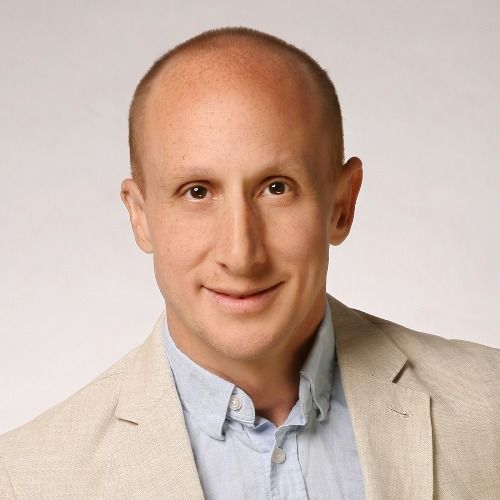
Imagine trying a case with clear liability and catastrophic damages, with each day of evidence going your way — and still walking away with a defense verdict. That 2018 loss shaped Nevada trial lawyer Kimball Jones' voir dire philosophy and the verdict run that's followed: at least 12 seven-figure verdicts plus multiple eight- and nine-figure results since 2019. Kimball joins hosts Harry Plotkin and Dan Kramer to unpack his approach — starting with the passions question to build rapport, signaling damages early in his mini opening, and addressing juror skepticism about trial lawyers head-on. Tune in for what jurors are really telling you when they claim no passions, and the surprising habit Kimball considers more important than any technique.
Learn More and Connect
☑️ Kimball Jones | LinkedIn
☑️ Bighorn Law | LinkedIn | Instagram | Facebook
☑️ Harry Plotkin | LinkedIn | Facebook | Instagram
☑️ Dan Kramer | LinkedIn
☑️ Kramer Trial Lawyers on LinkedIn | Facebook | YouTube | Instagram
☑️ Subscribe: Apple Podcasts | Spotify | YouTube
Produced and Powered by LawPods
Episode sponsored by Focus Graphics.
Transcript
Ready to take your verdict and jury selection to the next level? Jury consultant Harry Plotkin and trial lawyer Dan Kramer are your ticket to tipping the scales before trial begins. You're not just picking a jury, you're picking justice produced and powered by LawPods.
Dan Kramer (:Welcome back to another episode of Picking Justice. Harry, what's up, man? How you doing?
Harry Plotkin (:I'm good. Ken close to summer, which is when judges start kind of putting off trials and not wanting to try cases because they have summer plans. I've already seen a litle bit of that. We saw a litle bit of that. Well, you're getting together with your vacations and the defense lawyer can't do July and you can't do one day. I feel like you're lucky to get a few trials in, but that's okay. It's always nice to take a litle bit of breather.
Dan Kramer (:Well, this judge that Harry and I were about to pick a jury in front of, he was very strict on trial dates, just not move them for anything. And he had to move ours because he didn't have jurors and then he was about to schedule it when I'm going to Portugal and thank God he's Portuguese because as soon as I said that, he lit up and he's like, "Oh, of course. I would never get in the way of your trip to Portugal." I swear to God, if I said any other country, I bet he would have been too bad. You're canceling your vacation. So I was like, thank God you're Portuguese. Anyway, with that, I am very excited to have a real power hitter out of Nevada. Kimball Jones, who is on a crazy run right now since 2019 has had about 12 or 13 seven figure verdicts, three, nine figure verdicts.
(:Just skipped eight figure. Is that what we did, Kimball, or I'm sure there's some of those in between?
Kimball Jones (:Yeah, I had I think four or five, eight figures
Dan Kramer (:There. Man, that's great work. So can't wait to hear from Kimball Jones out of Nevada. Our good friend, Dirk Vandever, is close friends to you. He's been singing your praises. He was a guest on our show a few months back. But let's get right into it, Kimball. So the first thing I want to ask is what are you seeing out there either anecdotally or you observe it from trial attorneys who do good work but you think they're doing things wrong in jury selection? Or what are some things that you used to do that some of our listeners may be doing that you've sort of changed your ways just based on trial and error?
Kimball Jones (:I have the misfortune of basically having done about as poor job as you can do in pretty much every aspect of trial at one time or another. My first chance to do voir dire was my second trial and the partner doing it with me asked, "Hey, do you want to do voir dire?" About 30 minutes before we are going to be doing that. And I was like, "Oh, sure. Yeah, I'll do it. " Oh, it was an unmitigated disaster. Panelists on the jury, at one point I asked the question, "Does anyone here because of the attorneys themselves have a preference for one side?" I really don't like you. The other attorneys seem fine, but just really, I feel like you've been wasting our ... Anyway, and then I was like, I like eat it. I feel so embarrassed. But then I'm like, who else feels that way?
(:Half the veneer raises their hand. It was an unmitigated disaster. It was a tiny little case. We narrowly won it. So I had that experience.
Dan Kramer (:I got to be honest, that's a pretty mature move to say, does anyone else feel that way? Because I think early on in my career, something similar happened and I didn't know. I think I maybe started arguing with them. I don't even remember what I did. I think I blacked it out because it was so bad, but that's an impressive move. At least you knew how to say, "Anyone else feel like I'm a huge dip shit?" As
Harry Plotkin (:Long as you didn't say it's mutual, I mean, that's probably a good first step.
Dan Kramer (:Exactly. You know what? I don't like any of you either.
Kimball Jones (:Oh, it was rough. I mean, I didn't sleep well for a few nights kind of questioning who I am, do people actually all hate me? So I'd say where I first started maybe going right with jury selection was I took some classes, Don Keenan stuff that just gave me a plan initially like, okay, cover specific topics that are important in a planned out way. And so I started with that. And so I think the biggest thing to me is understand the issues that are going to be issues in your case and that's fundamentally and then go through it and I kind of use a mix. I mean, Dirk, I know presented the three bites at the apple that he uses. I like a lot of that. I've tried to modify what I do, but the most important thing, just go in with a very specific plan asking questions that the judge is going to allow and then get rid of the people who are going to be bad for you.
(:I
Dan Kramer (:Mean, what do you guys think about telling the jurors kind of your outline? Harry, you and I talked about this for this trial we just were about to start and I'd never really done it before, but the judge was going to give us an hour for the whole room, do the first 18 first and then I'd have to figure out the timing to make sure I don't overuse it. But Harry had the idea that I say, "Okay, these are the three topics I'm going to talk to you all about. " And then just give them your outline. The first was it's a construction injury case. And first thing I want to talk about is your feelings on construction safety. Then I'm going to ask you about your feelings on pedestrians and how they should be responsible for where they walk. And the third thing I'm going to ask you about is the value of someone's quality of life.
(:So I'm just going to run through all three of those. So I just want you all to know what's coming and get your feelings on each of those differently. I kind of liked it. I don't know.
Harry Plotkin (:Yeah, because you talked to the first juror number one, you ask each of the three questions and then you can kind of start speeding up and go, juror number two, by the time you're on juror number 10, you know the issues we're talking about. You can follow up if you feel you want to know more, but you don't have to keep asking the same question over and over again. You can kind of just go through it pretty quick.
Dan Kramer (:And then it's not a mystery of we're going to end up, that we're going to talk about the most important thing in this case, which is quality of life damages and your feelings on that. And so they can kind of like start playing the seed maybe. I don't know. Kimball, have you ever tried anything like that?
Kimball Jones (:No, not exactly. Certainly not with kind of all of the topics I'm going to cover in here. I've done something much more basic and vague, but I like it. I think that sounds like a good idea. Particularly, I mean, most of the time in the cases you're trying in California, if you get beyond a couple of hours, the judges start pushing back on you. That was my experience in the one case that I tried in Norwalk. The judge did not want me to take very much time kind of regardless of whether I was getting strikes or not. It felt like-
Dan Kramer (:If they gave you a couple hours, that's a good amount of time.
Kimball Jones (:Yeah. I think the judge gave me three hours ultimately.
Dan Kramer (:That's an eternity, I feel like, at least what I see in California.
Kimball Jones (:Yeah. But I think especially when you're limited in time like that, where you're going to have anywhere from an hour to three hours, I mean, yeah, you're only going to be able to cover a couple of topics with any degree of thoroughness. So I like that, especially there.
Dan Kramer (:So then do you have a typical formula you employ? Like you start with certain topics or how do you get things going out of the gate?
Kimball Jones (:So usually I start off, if the judge hasn't already done it, I tell them that the process of this case is going to be X, Y, Z. It's going to take this amount of time. This is kind of the structure of it. Just give them a quick little roadmap of what that is and then say, right now, jury selection is expected to take however long. I mean, I've had cases where jury selection takes a week. I've had cases, most cases that I've been on, jury selection takes like two days before it's done. So in Nevada, we tend to get what I feel is like a reasonable amount of latitude. I think the very short jury selections, it's very hard to drill down into all of the folks on some of your critical questions. So I'm grateful for that anyway, but I usually will tell them that upfront.
(:I'll say, so that you guys understand, jury selection itself, this is probably going to take two to three days. And that gives them at least an expectation that as it's taking more time, they're not mad at you for just taking more time. So I do that first and then I do like to get into the passions question if the judge allows it, which is a common thing, a Don Keenan thing. I have variations of that also, but something that gets them talking about things that they care about, things that they value in their life and kind of get that out on the table. And then from that point, I transition into a number of different things, concepts within safety, concepts of why is there money damages for things like pain and suffering, some of kind of the standard.
Dan Kramer (:I want to go throg those. You kind of did what Harry and I were talking about. We'll go through topics and we'll break them all down this podcast. So the first one, so the passion. So interesting, right out of the gate, huh? Is it a group question or what exactly is your first question there?
Kimball Jones (:I'll say I'm going to ask every single person on this panel this question, what are you passionate about? And when I ask you that, I know from experience and from my own feelings about life that most people are going to say they're family or they're going to stay, their religion, their God, things like that. And I totally appreciate that. Almost everyone here would say the same thing in that respect. I'm going to ask all of you to tell me something you're passionate about that isn't within those two areas. Tell me something else that really drives you that is meaningful for you. And then I'll call on one of them and we'll just start going through and people will tell me what they're passionate about. And then after that, then we know each other a little bit.
Dan Kramer (:So are you going one by one with just like one word answer? Are you just looking for like one word answers or are you going to be like-
Kimball Jones (:No.
Dan Kramer (:Okay.
Kimball Jones (:I let them describe it. I mean, this sometimes takes an hour, like literally just getting through this one question with the 20 people in the box. So we go through and talk about that. Sometimes it doesn't take that long, but it does take quite a while. There are judges who won't allow you to do it that way, but they will allow you to ask the question and then request volunteers and then you just talk to the people that are open to talking to you. And if I'm struggling to find people talking to me, I try to employ the Nick Rowley, will somebody talk to me and just try to be real with them that the guys, I need some help here and I really need you guys to kind of help me.
Dan Kramer (:Harry, what are your thoughts on that starting out of the gate with the passions question?
Harry Plotkin (:I mean, again, and we've talked about this a few times, but I always think it just goes better when you start on a positive note, no matter what it is. I mean, I think a big mistake that I know I used to make, but a lot of lawyers I think make is that they think just about jury deselection, just about finding the bad jurors. So I'm only going to talk about all the, try to find the bad jurors and talk about the negative things. And then I think that impact on the jurors are like, there's a lot of things going on. They're like, first of all, they're like, "I don't like this guy. He's talking about stuff that makes me annoyed." And then the vibe in the room and everybody's talking about why whatever lawsuits are stupid and people are greedy and people fake things, those are the only topics that are kind of flowing around the room.
(:I just think it's bad in a number of ways. So I think anytime that you start no right or wrong answers talking about them, positivity, I just think that kind of gets a jury in a better frame of mind and opening up and you can start to figure out if you're putting pressure on your jurors and you're asking them questions with a right or wrong answer, I think they figure out pretty quickly he's looking for certain answers, but if you're just letting them talk and you're just listening, I think that also lets your jurors open up. You're just talking about what they care about. There's no right, you're not going to grill them, you're not going to cross examine them, you're not going to jump straight to cause. A lot of lawyers will do that. They'll start off with negative stuff and then they'll jump all over the juror and start cross-examining them because you're trying to get them for cause.
(:So I think you start this way, they're like, "I like talking to this guy. I like where this is going. This is not pulling teeth." And then they feel more comfortable later on when you talk about the biases and the negative points of view.
Dan Kramer (:So I agree. I love it. It's great because you're not having to really think about how do I have to word this complicated concept. So literally it's a very easy opener for the attorney. It really helps the attorney a lot get at ease. I can't remember a case for Carrie where we've had a judge that would give us enough time to be able to accomplish everything else and that question. And that's my worry. And I guess I'm going to maybe throw it back to Kimball is like, well, if you don't have the ... Again, that judge giving me three hours, I cannot remember the last time I've had a judge do that. But in a limited voir dire, Kimball, are you still doing that?
Kimball Jones (:No.
Dan Kramer (:You can't, right? I mean, I just want to be clear for our listeners that, because a lot like in Colorado, for example, we've had Kurt Zehner on here and he gets like 15 minutes if he's lucky. Is there a way though, I'm curious for both of you, I wonder if there is a way you could kind of do it without, even if you have a limited amount of time, because I think it is a great icebreaker.
Kimball Jones (:It's a great icebreaker. I just have thrown it out when I know that ... I mean, I think it's totally unreasonable for a judge not to let you actually get to know these people and in some instances, and obviously there's a ton of literature on this that shows why this is so important. So judges really should come around on this, but there are judges who have not come around on it. Basically, you just mentioned Zehner and I love him. He's fantastic, great dude. And what I do when I'm in a jurisdiction that doesn't give me the latitude to do it the way that we should be able to, I pretty much copy exactly what he does. I mean, so I go through the way that Kurt lays it out, I pretty much copy his framework because it is very effective.
Dan Kramer (:Can you remind our listeners what his framework is? It's been a while since we had his episode. Everyone should listen to it. I'm trying to remember what it was.
Kimball Jones (:Yeah. So I'm going to end up botching it, but he starts out and he mentions that he was called to jury duty and that he was very excited about it because he's an attorney and this is his icebreaker. And he said he was very excited and he was going to be on a jury finally and then it was time to actually do it and it was a very busy month and a very busy week and a very busy day. And in fact, I had that exact same experience. And so I have implemented that as kind of an icebreaker. And I said, so actually when it came down to it, I was not excited. I was hoping that this whole thing would just go away and I know that that's how most of you must be feeling because you have important commitments in your life and instead you're here.
(:And I just want to tell you that we're so grateful you are that you were willing to give this sacrifice and we know that it's a big deal, but we have the greatest system in the world when it comes to dealing with things like this. And the only reason why is because we have you to do it, people from the community deciding the issues in the community. So thank you for being here. So that's how he intros it. Then he goes into, I want to say the next thing he does is he gives a little roadmap I think and then he talks about, I think he gets right into kind of some specific
Dan Kramer (:Biases. But for you though, going back to the passions question, assuming we have time, right? It is used as an icebreaker, but I'm sure you're trying to get data information from some of the answers, right? And is it that if people ... Well, I guess what's a bad juror? What's a bad answer or in your mind a bad answer for a bad juror?
Kimball Jones (:People who are not passionate about things, right? People who actually aren't passionate about things. And that comes out almost in every single time you'll have somebody who just says, "I'm just not passionate about anything." And 90% of the time that person is a bad juror. Now, sometimes they're not. Sometimes it's a guy that's down, it's somebody who's down, but they're actually going to be a good juror when they understand the case. However, it's an indication that it's somebody who doesn't like you and they don't want to talk to you. They see you as a threat. They're not going to share with you and so they're upset with the process or with you and so they claim they have no passions. So that more often than not is what's going on there and that is the single biggest thing. But then people will talk about what they do care about.
(:You find out about, I took care of my grandmother for four years when she was very ill and I just am passionate about taking care of people. And that obviously may be very significant depending on your case. And so you get to know these things where they fee comfortable sharing something about themselves, that these are significant indicators in some cases for cause challenges, but for peremptories, they're big indicators. I feel like I get more information from that question about the right vibes of the jury.
Dan Kramer (:And Harry, you pivot that question to what's a passion you have that others may think doesn't make sense. How do you word that one to tie it back to like-
Harry Plotkin (:Yeah, that's my little twist that I put on there and it's basically, yeah, what is something that means a lot to you that if you were to explain it to a stranger, they probably wouldn't think it was worth very much at all. And then they'll talk to you about these things, but they're also, because of how you phrase it, they're like, "Yeah, this means so much to me, but someone else would laugh at it. " And then you can use it after you've talked to everybody and you say, "Well, you're going to hear about what's really important to my client, Mr. Smith, and you're going to have to decide how important some of these things were to him even if ... " And I've thrown out different examples, like let's say they were into marathons, even if you would pay money to never have to run a marathon or you would never want to spend a day doing flamenco dancing in your life.
(:And the jurors get it from that twist that's his, "Oh, I get it. " When I walked in here, I wouldn't think that flamingo dancing is worth anything, but if that's his version of my stamp collecting, then that means a hell of a lot. And I get that I don't get it and nobody else here gets it, but I get that everybody has something that we don't ... It doesn't seem that important to everybody else.
Dan Kramer (:And do you do that, Kimball, when someone does, sounds like besides your family, this is probably one of the most important things you have in your life. I mean, is there any amount of money that someone could give you to take that away? Do you ever tie that in or do you do it once or twice maybe when you're going through the passions?
Kimball Jones (:I do. I do when I identify opportunities, but I got to say I don't do it nearly enough. And so I definitely do sometimes, but the way that Harry just described that, I think that's actually a better question. That's probably a modification that I'm going to be taking in the future just to kind of put a little twist on that.
Harry Plotkin (:Go for it. Yeah.
Kimball Jones (:Yeah.
Harry Plotkin (:But probably most of your answers that you get, Kimble, are a lot of them like things that probably do seem maybe a little silly to ... It's not like they're like, you take away friends and family and religion, it's all little things, right?
Dan Kramer (:Yeah. Well, I mean, Harry, what would you say? I mean, what's your answer?
Harry Plotkin (:If it was me, oh gosh, that's a tough one. I'd be like, "No passions. No passions,
Dan Kramer (:Kimball." So I imagine you've got to kind of separate work too, right? Because I feel like everyone's going to say, that's what I would say, being a trial lawyer, obviously my kids, my family work, take those things aside. It is tough. I'm trying to do it to myself. I know.
Harry Plotkin (:I mean, I would say give anything where you're giving back. For me, I spend a lot of time. I'm on the board of my local AYSO. I'm the head referee right now and I'm going to be the commissioner in a bit. That's like a full-time job and I do a lot of refereeing of kids' games. I mean, if you were to calculate my hourly rate on the amount of time I spend refereeing, it's a lot of money, but it's like I like giving back, especially if it's to kids. And yeah, would I expect somebody else to be like, "Oh my God, you can't referee anymore. That's millions of dollars." No one would ever think that. They'd be like, "God, I'd hate doing it. " As long as you get them to understand, my client has his version of that too.
Dan Kramer (:Do you give an example for yourself, Kimball? They kind of like Gerry Spence it, traveling, I would say, or coaching my kids' baseball team is, I love doing it. It's so much fun. I definitely know I get a lot more joy out of than he does, but I don't know. Kimble, do you give an example of yourself if people were struggling?
Kimball Jones (:I don't. And what I've found is that the jury doesn't really want to hear what I have to say. They want to be heard about their experience and that's how most people are. I do take opportunities when they share something where I have something in common. I sometimes will mention that thing that I have in common with that. I usually don't go and share what my thing is. Honestly, I feel like it's like trying to ingratiate myself a little bit and so I just skip it, but I have seen people do that. I'd kind of push against it. I'd say, "You're better off just telling them you care about them. That's why you're there not to tell about yourself." So yeah, but no, I don't do that. I will say one thing I didn't mention at the beginning is California has great law on being able to do a mini opening.
(:And so that's something that a lot of judges have adopted in other places, including Nevada. And so in Nevada, usually I can do a mini opening or even if the judge doesn't allow a mini opening, the judge will let me say two or three sentences about what the case is. And so that is really, really important. I like to do that right off the bat and I follow very much the approach that I've heard from you guys, from Rahul where I get out ahead of the things that are troubling in my case that are difficult that are going to be difficult things for people. I usually will say the amount of money that we're going to be recommending in the case right there. That's my typical approach, but then I don't immediately jump back into it. I then do the passion thing after once we get into it and then a little bit down the line after we've dealt with a few other issues, then I bring it up to them.
(:I say, "Now, you guys heard this. Tell me about it. " And then we start chatting about those things.
Dan Kramer (:You'll say your specific dollar amount or a range in your mini opening?
Kimball Jones (:It depends on the case and it largely depends on where I see the case. So you guys are familiar with John and Alicia Campbell. Those guys are amazing. They do big data. So I'll have a case and I'll try to evaluate what the case is likely to be viewed as, what it's worth. And sometimes I'm shocked by it. The case I had in Norwalk, actually I thought that it was probably like a really, really big case. And when we got the data back, it was like exactly in line with what the ultimate verdict was. It was spot on. So I was just surprised by it. I had already agreed to the case and so we went and tried it, had an okay result. So I'm very much a believer in really understanding your cases and making sure that the amount you're talking about is in that range.
(:So yeah, I mean, to give you an example, I've had a case where I've said, usually what I'll do, I won't give them the range in my mini opening if there is a range. I will usually say in excess of an amount. So in one case, I knew that I was going to be asking for a range of 55 to 85 and I said in the mini opening, I said, "We're going to be recommending a verdict above 50 million in this case." So I do kind of both things, but I do actually kind of prefer ranges frankly. In general, I tend to like ranges because I've heard people go both ways, but I do not feel like the issue is so scientific that there's some disagreement. And so I do tend to like a range and say, look, we've looked at this and we believe kind of the low end of what would be reasonable would be around this and the high end of what would be reasonable would be around this.
Dan Kramer (:Do you then maintain that range in closing or will you give an exact amount in closing?
Kimball Jones (:I always maintain the same range. If I give a range, I maintain the same range, but I will put it down on the verdict form with a specific number and then I'll-
Dan Kramer (:Yeah, that's what I mean.
Kimball Jones (:Yeah. And then I'll say, as you heard, I'm not saying that these numbers are perfect or precise and it must be my numbers. It needs to be your numbers and we believe the range should be in this.
Dan Kramer (:But in that kind of case where you're going to ask for over 50, obviously I assume you've talked about how catastrophic the injuries are in your mini opening to get that buy-in or that early.
Kimball Jones (:Kind of. Kind of. I mean, let me give you an example of we had a big case where it was a DUI driver, really, really egregious facts by the defendant and killed a man and seriously injured his wife while they were on their way to church. 9:00 AM, he just runs a red light at 107, crashes into him. We have video of the crash. It's this horrible, horrible case, best clients you can imagine. So in that mini opening, I of course don't want to oversell. So my mini opening was essentially this. This was basically my mini opening. This case involves a crash in an intersection where one person died and another person was injured. And in this case, because of the nature of the injuries and the conduct in the case, we're going to be recommending a verdict of over $50 million. We're also going to be recommending that the jury award punitive damages in this case.
(:We know that many of you, probably almost all of you, would rather not be here right now, but I believe that any of you who are actually able to be on this jury in the end are going to be grateful for the experience that you had on this jury. Thank you. That was basically my mini opening. Of course, it was a touch smoother than that. I'm just doing it off the fly here.
Dan Kramer (:What were the injuries in that case? Yeah,
Kimball Jones (:There was a wrongful death and that there was a serious injury and it was a DUI.
Harry Plotkin (:My approach in mini opening is exactly like I probably wouldn't mention the DUI. And you went in the DUI and you're going to lose jurors like, "Oh my God, he was drunk." But I'm always thinking, the defense is probably going to mention it, right? But did they? Did they mention it in their mini opening?
Kimball Jones (:I just said punitive damages, right? Yes. And the defense in that case went all out. The defense mentioned it. They said yes, he was high, he was drunk, all of this stuff, he'll be fair, that sort of thing. So he totally leaned into it and his whole approach in voir dire, which I thought was intelligent was to really emphasize the bad and try to get people stricken for cause. So it actually kind of backfired on him though, honestly. So we ended up having a record verdict. But yes, that's what he did. The strategy is probably the strategy I would've recommended for him, but it didn't work out for them.
Harry Plotkin (:The right strategy would be to settle the case and not try it with facts like that.
Kimball Jones (:We had an offer to them. It was a mistake. There's no doubt.
Harry Plotkin (:But yeah, no, I mean, I agree with you 100% that if you're sharing your good facts in the mini opening just too early, you're going to lose good people, especially if you think the other side is not going to bring them up. Half of the time I feel like the other side does not bring up your good facts. They don't want to touch their bad facts. And so it's the opening statement when the jury's picked it the first time they go, "Oh my God, that person was drunk or whatever, that person didn't have a license or whatever." And it's great.
Dan Kramer (:In opening statement where you get the reactions or the jaws dropping, it's like, "What the fuck? You didn't tell us this? They're just staring daggers at the defense attorney. God, there's nothing better than that. " But so when you throw out the big number, I mean, did you get a lot of cause on just throwing out that number? I mean, just that-
Kimball Jones (:No, none. The jury was all for it. Everybody was like, once they heard from the- No,
Dan Kramer (:I mean in mini opening, for mini opening leading to voir dire. In voir dire, did you get a lot of pushback on talking numbers in that range?
Kimball Jones (:Honestly, it was the easiest voir dire in history in that respect. 10 minutes into voir dire, one of the jurors raises her hand and says, "Hey, when you gave that number in opening $50 million or whatever, do you really mean those numbers or do attorneys do that and they actually are expecting something less?" And so it was just perfect opportunity to have a conversation. And I said, "Well, guys, tell me, do you think the right thing for me to do is to tell you what the numbers really are, what we believe is really reasonable, or do you think that we ought to give you some other number that's inflated or something for some other reason?" And they're like, "No, no." Obviously they want the real number. And I said, "Look, in this case, we're going to be recommending something in the range from 55 to 85 million.
(:We think that anything less than 55 would not be reasonable. We think that more than 85 could be reasonable. We're not asking for that though. So we're asking you to keep it within that range." And so that was right there and jurors are just nodding their heads with it. They're like, "Okay."
Dan Kramer (:Yeah, because as we've talked about many times, I mean, they don't know. I mean, they really don't know what the value of this stuff is. And again, the way you're saying it now, clearly you have to believe it, right? You can't be just hyper inflating it to get a lower number or to hope to get somewhere in the midpoint because they're going to smell that bullshit real quick.
Kimball Jones (:Yeah, that's the biggest thing. I mean, you mentioned something about mistakes that people make in trial. First of all, I've never considered myself to be special in voir dire. I don't feel like I'm extra charismatic or anything like that. Where I feel like I have started to be successful in trial and in voir dire in general is I don't remember who it was, but I listened to somebody, some trial attorney talking about just learning to be vulnerable with the jury. And when they say bad stuff, goodness, yeah, that sucks. We make money in cases where people are injured and there's something about that that is kind of rough. Yeah. What does that make you think about me? If they make a point that is something that is a litle bit rough, geez, it is. I mean, we do help people. There's a lot of good things there, but my gosh, and I don't bring those things up when they say that to me, but I own it.
(:When there's something uncomfortable, you just own it and you appreciate feeling legitimate appreciation for somebody who is negative about you or about your case and being grateful to them, being willing to talk to you. Being able to do that, I think is probably the single most important thing in jury selection. All the technique and stuff is really valuable, but being a real person and talking to people and being grateful for them talking to you no matter what they have to say.
Dan Kramer (:Yeah. No, I think one thing you said that's really important is, you said I'm not special in jury selection or anything like that or super charismatic. T me, I think people that are too smooth and try to put it on too much in jury selection, I actually think that can totally backfire. I think that impresses other lawyers at a conference. I admit myself, I noticed years ago, I tried to string three cases in a row where I got decent verdicts, but I thought they were worth way more. And I think I was almost maybe too passionate or maybe even a little too dramatic in some of my closing arguments or even ... And I remember my dad came and watched one of them. It was a trial in the Bay Area years ago and it was good, and it probably would've gotten a lot of applause at a plaintiff's conference, but it was over dramatic.
(:I was just too much for the case I was trying and then started to cut that way back and my verdicts have gotten better. And it's funny, he actually read one of my closings on a case this year and he's like, "Yeah, I noticed that you speak more plainly, but you're much more clear and to the point and all that. " And I think that's a lesson that I've just personally had to learn for myself is that you're not there trying to impress the plaintiff lawyers CALA conference or any of these other conferences that will impress. But you're there jurors are hungry for data and information and the more clear and to the point and credible you are, the better you are. You don't have to be the most charismatic person, especially in voir dire. I think in voir dire, you should cut all that bullshit out.
Harry Plotkin (:For sure. I think that it's funny you said that because I've seen lawyers complain about really, really good, effective lawyers that they see give a demonstration of voir dire opening statement or something and they're like, "That was disappointing.That was boring." And you're going, "Have you seen the results this person gets?" Maybe that's what you should be shooting for. I mean, I know like Rick Friedman, who's an amazing lawyer, I've talked to some of his partners and they're like, jurors, after trials have said, we call him Mr. Boring because he's boring and he does that intentionally. I mean, he's not trying to ... If the jurors think that the case is all about you, they feel manipulated. And if you're leading them somewhere and you're carefully framing it, but if they feel like you're pulling them the strings of the case, it's not going to go well for you.
(:So you shouldn't be putting on a show. In fact, that's a testament I think to really a great lawyer when what they're doing seems boring. You're probably doing it right.
Dan Kramer (:I totally agree. I don't even know if boring maybe or just like if the jurors are like, if you're giving them the information they need and only in the information they need, you are going to see big verdicts. I agree, Harry. And Kimball, I agree. Try not to be like when the charismatic challenge is not the goal of voir dire at all.
Kimball Jones (:No, yeah, not at all. I'm
Dan Kramer (:Not saying don't be yourself, right? You want to be likable, but likability is being credible and listening, frankly. If you're those two things, then they're going to like you.
Kimball Jones (:The jury is going to like anybody who's nice to them and respectful. They're going to like anybody that does those things, I think, and ultimately they're not going to vote based on who they like. It doesn't hurt you to have a jury like you, but the jury wants to know that you're the good guy giving them the truthful information, right? And so if you fail them in that respect and they think that you're great and funny, I mean, it's not going to turn out well.
Dan Kramer (:Let's take a quick sponsor break.
Harry Plotkin (:All right. I'm super excited to talk about one of our newest sponsors, a company I've wanted to work with for a long time, Focus Graphics. They are specialists in demonstrative trial graphics. Basically, you as attorneys, you tell the story of your case and you rely on Focus Graphics to do the visual storytelling. They do animations, they do medical illustrations, things like that. And the thing that makes Focus Graphics different, for those of you who haven't heard of them, I'm sure most of you have, but they're the only visual company that actually focus groups their work. So obviously I love that kind of thing. They actually test it with jurors and see what jurors think and tweak it based on what feedback they get, which is something you should be doing anyway. And so that additional service ensures that your jury is not the first to see your visuals.
(:They have an in- house team of animators, illustrators, visual consultants to ensure that your medical and forensic and engineering visuals are all accurate. They do those super detailed medical illustrations, but they also do demonstrative, persuasive ones as well. I know they've worked with many of the lawyers we've had on our show already and some of the ones upcoming, they tell me over 20 billion in verdict and settlements based on their work. And they work with Nick Rowley, John Marco, Samantha Teal, who's on our episode who just got that $300 million verdict, Tom Dickerson, Jude Basile, Kurt Zaner, Khail Parris, Lourdes DeArmas. And of course, Sean Claggett, because Sean is part of the company and his brother Seton runs the company. If it's good enough for Sean Claggett, I'm sure it's good enough for you guys. I would encourage you to work with them. Their plane of focus, if you want to get in touch with them, they Contact Seton Claggett.
(:His email is seton@focusgraphics.com and give them a try because they're terrific and we can't use enough help in our trials. Trial is a team thing. So excited about Focus Graphics.
Dan Kramer (:Thanks to our sponsors and as always, thanks to LawPods for recording these great podcasts to help all of us lawyers learn throughout the country. So we talked about you start with the passions, we talked about some likability and charisma and all that. So once you kind of get that rapport going, where do you usually go next in your typical jury selection?
Kimball Jones (:I usually like to jump into trial lawyers and let's talk about trial lawyers. I've heard some things, right? Some people have certain feelings about trial lawyers. In fact, there's a reputation that lawyers have built over the years. Can you tell me about what you've heard about lawyers? And you get people to talk about lawyers being dishonest, being unfair, being trying to win at all costs, things like that. And I like them to talk about that. I like to get that out on the table. And I like to say, in any way, is that going to impact your view on this case? Are you open to the possibility that somebody is a lawyer and they're going to actually tell you the truth and present evidence in the case that is legitimate? And you go through and usually people are okay and sometimes people have strong feelings against lawyers.
(:And so I like to do that.
Dan Kramer (:I've had this debate with my good buddy, Rob Glassman. We teach a jury selection class at Southwestern and he likes to start a lot of his, or I don't know if he still does, but he would do some of his personal injury, you see the billboards and all that. Who does that rub the wrong way? And the focus is on the lawyers. And I had a debate with him that I just don't know why bring that negative attention. Why even have them start thinking about lawyers in a negative way? I mean, I guess unless you some may be thinking about that, but I'm curious about the philosophy. Why use the time on the lawyers? I mean, what are you hoping to gain from or what do you think you're going to find out from some jurors on that?
Kimball Jones (:I think it's good to get it out there on the table because everybody's thinking it anyway. I think everybody is thinking about it. So you get it out on the table and then what will happen-
Dan Kramer (:Well, sorry, what do you think everyone's thinking about? They're thinking what? That lawyers are ...
Kimball Jones (:Yeah. Everybody is concerned that lawyers will be pulling the wool over their eyes, that lawyers are being dishonest. And I think by merely being the person who facilitates them being able to talk about it openly lets them know that, yeah, this is something that should be mentioned. And you'll almost always have somebody come to the defense of lawyers that not all lawyers are that way and things of that nature. This lawyer actually helped me this one time, things like that. I do like to end it, and I think this is an important question with who here is open to the possibility that there are exceptions to the idea that lawyers will engage in this kind of bad behavior. Are you willing to consider that maybe not all lawyers are that way? And they usually get a pretty good response from that and they know that anyway, I just think it allows it to be human.
(:They get to poke at you if they want to. I don't feel like it actually goes negative typically, but I think especially in Southern California or Las Vegas where you have just an obscene number of billboards, people have feelings about it.
Dan Kramer (:Yeah. I will almost always get someone talking about that. I think they're like, "Oh, I see these billboards. I see all these whatever, whoever name any billboard lawyer, especially in Southern California in Vegas, maybe even worse. If not, it's a close second to Southern California." And I usually like to throw that back at them honestly. Well, if you get the feeling that this is just a money grabber in any way whatsoever that I'm exaggerating or my client is making anything up or exaggerating, it's like the Rick Freedman stuff. I think you should give zero. I absolutely do. I think that anyone who exaggerates for money or make things up for money, or if the lawyers do it, they should get zero. Those cases are bad for the righteous cases. So will you agree to give zero? I'll just put that out there and then I think that kind of achieves kind of what you're saying that are there exceptions to the rule, but I'll try to make it even stronger for them to agree to give zero if this thing is a fraud.
Kimball Jones (:No, I love that. I think that's really good. I usually say something very similar to that, but I usually do it later on kind of at the end of jury selection where I'm kind of in the process of pre-having, just going through some of those issues and I usually say something very similar. I'll tell the jury, I'll say, "Look, in this case, if we don't prove our case, you understand that we have the burden to prove our case. If we don't prove our case, the only right thing to do is give us zero and we want you to. We only want to win our case for the right reason, which means that we have proven our case. Can y'all agree that you're not going to give us anything if we don't prove our case? Can you also agree that you will give the full value in the verdict form of the harms that have been suffered, that you will carefully identify what you think the full and fair value is and you'll put that in the verdict if we do prove our case?
(:Yes. So I usually do that as one of the things because the defense is going to bring that up in just a minute. I want to be the one right there where they're telling me they're going to give me zero and I'm asking them to, letting them know that's what we want. We don't take bullshit cases. Every case deserves a significant verdict. That's the world that we live in and we have the good fortune of being able to represent people in the case of you, Dan and me. We just don't take bullshit cases to trial. So when we're there, we always know that we're going to be able to prove our case.
Dan Kramer (:Well, no one should take a bullshit case at trial.
Kimball Jones (:No, they
Dan Kramer (:Shouldn't. I don't think anyone should. If a case is not worth millions of dollars but it's worth more than the zero the defense is offering, then that's not a bullshit case.
Kimball Jones (:There are cases that just shouldn't be tried sometimes. That's a reality. And I totally agree. I think that that is probably one of the most overblown things that we hear about in the world that we live in. Are there cases that are genuinely frivolous that are taken that get all the way to trial? There probably is here or there, but my God, I can't remember ever seeing one.
Harry Plotkin (:Every judge who treats you poorly, it's because for every one of you guys, they've probably seen 20 just terrible lawyers, terrible cases, manipulative. I mean, I think they do see the judges see a lot of them. We don't, but I think they are there and it's just a shame because it really screws it up for everybody else. Yeah.
Dan Kramer (:Kimball, now that I kind of see your philosophy, some attorneys, and we've talked about this before, their approach to jury selection is really, let me get as many cause challenges as I can. I'm getting the vibe that that's not really how you approach jury selection.
Kimball Jones (:No, it's really not. And I do go for cause challenges as they present, but it's definitely not my focus in jury ... I mean, it is my focus, right? It is part of my focus really in the areas where I'm ... Even with passion things, I am trying to identify if there's a juror that really is not going to be able to sit and fairly evaluate my case. So I'm certainly doing that the whole way at every stage, but most jurors that end up being there in the veneer are people who can fairly evaluate the case, I think. And there are some that can't. And so as you go through, for me, if I feel like 70% of the people probably can on any typical veneer, then why am I spending all of my time just trying to find the folks that can't? Anyway, so I try to do both things.
(:I try to think about people who are going to fit well in essentially what will be a team to deliberate afterwards. I want to see people that get along with others that connect with others. And so there are people that I'm kind of selectively choosing people that I would like to be on the jury in addition to identifying people that I think are probably not well suited for the jury.
Dan Kramer (:Let me go back to your full value question and I like how you said each and every item, can you give full value for each and every harm that the plaintiff has suffered? You've tried cases in California so you know, I mean, I'm sure almost every state list out, you can kind of list out what all the non-economic harms are. Do you talk about those individually? Do you say, how do you feel about awarding money for mental suffering? What about physical pain? What about lack of sleep? What about mental anguish? What about fear, grief? Do you list those individually and then kind of do that last catchall question? Can you award money for the full value for each item? Do you ever do that?
Kimball Jones (:Yes. So I have done it both ways. I mean, I would say that I've gone through and listed out the individual items. In wrongful death cases, I tend to do that specifically just because there's actually kind of percentage of the population that literally doesn't believe in some of those harms. And so it could end up becoming a problem. So I tend to do that in wrongful death cases. I tend to not do that in other cases and I tend to stick with harms and losses, the full value of the suffering, things like that. But I definitely deal with it in closing. California has a jury instruction that is actually slightly better than Nevada's, but very similar on the damages where it says you shall and then lists out the damages. And so I go through those specifically and I say, your job is to literally go through each one of these, identify the full value of that specific harm and then add them together and put them in this line on the verdict form.
(:And so it says, "You shall." This is part of the important part of the job. And so I do that, but really in closing, I very rarely, unless it's a wrongful death case, I usually don't break them down during jury selection.
Dan Kramer (:Yeah. I've had some attorneys I've talked to, I don't know if on this podcast or not, but who will print it out or put it on a screen, the items. It's interesting. I don't know. I've never done it personally because in closing, I'm big on breaking it down very methodically. I do this chapters thing in my closing for the past and then tie it all together, which has worked pretty well from past non-economic damages. Harry, what are your thoughts on presenting it the non-economic damages in a very specific line item way and jury selection?
Harry Plotkin (:Yeah. I mean, I see some lawyers do it. It's not really my style, but I think it can work for the right person. I mean, for me, it's like, I think the jurors, you motivate them to look at the big picture instead of add together a bunch of things and then be surprised at the, "Oh my gosh, it's higher than I thought it would. " I think you want to more get them understanding this is going to take a lot of money to hold this defendant fully accountable and this is a huge loss. But I'm not against it. I mean, I know Cale Paris, I think the guys at the Paris law firm-
Dan Kramer (:Is that Cale? Yeah.
Harry Plotkin (:Yeah. I know Cale has done it, breaks it down where he's got all the categories past and future and obviously it adds up to a huge number when you're saying they're all significant. You talk about how this is a million and a half and this is ... And there's like 40 categories it can add up and it can work well. So I'm not against it. I kind of prefer my jurors to make it real easy on them. I mean, that's a lot of work to have them. I mean, that's kind of quite a task to have been, okay guys, we got to answer essentially like 30 or 40 questions about damages and go through each one, but I think it can work. It's a style thing, I think.
Dan Kramer (:Kimball, so explain how you do it and why you do it and how you do it in wrongful death then.
Kimball Jones (:Yeah. So in wrongful death cases, you have certain categories of damages and I just literally the ones that are going to be listed on the verdict form or that are going to be listed in the jury instruction, I will just go through and I'll say, I need to ask you about very specific areas where you are going to make a determination by you. Some people, they simply have strong feelings against awarding damages in certain areas. So I need to go through each one of these and see how you folks feel about it. And then I just go through and start asking them about each one and that's pretty much it. And then the reality is I can't say that it's been the most useful part of voir dire. I've done it several times, but it's something that I tend to not spend a ton of time on.
Dan Kramer (:Do you guys have predeath pain and suffering in Nevada?
Kimball Jones (:We do, yeah.
Dan Kramer (:In the wrongful death you tried, was there any pre-death pain and suffering?
Kimball Jones (:Unfortunately, I mean, I think there was, but the evidence for it was pretty thin. It was a huge crash. He died very quickly. It was not pronounced dead for like an hour because that was when he got to the hospital. The argument on the pre-death pain and suffering was thin at best. So yeah, we do get it, but in many cases it's, well, if you have a near instant death, that's obviously pretty tough.
Dan Kramer (:Have you ever voir dire on that, Harry? I'm
Harry Plotkin (:Trying to think. I don't think I ever got down that detailed on it because one thing I've found is that, and I've seen it in focus groups and also in trials when we ask them about it, my concern that I've seen is that some jurors will say, "Well, this one category, these couple of categories I just don't agree with. They're like, I don't think you should get money for humiliation." And like, okay, should we strike it? But in a focus group, they're like, "Well, that sure give a ton of money." And the other categories are total. So it's like, should we have struck that person because they didn't give, because they're like, "I have a cap in this area, but not a huge amount in this area." I think at the end of the day, how are you going to divide it up isn't as important as the big picture, but you can certainly use ... I mean, a lawyer could certainly use those categories to get more cause just because somebody doesn't like a particular area doesn't necessarily mean they're a bad juror.
Dan Kramer (:Yeah, it could be a red herring if you get that granular.
Harry Plotkin (:I
Kimball Jones (:Actually think that more often jurors, even when you break it down in closing as I do, because I do want them to consider each of the categories. I take that from some of the books, David Ball, he kind of endorses that as a concept going all the way back 20 years ago and I have taken it from there and I do use it generally, but I think that more often than not, the jury decides on the big number and then they find a way to break it down from there, right?
Harry Plotkin (:To reverse engineer it. Yeah.
Kimball Jones (:I think so. And I will say some of the largest verdicts that I've had, I spent very, very little time going through and explaining the damages. I mean, it was the largest verdict I've ever had. I think my closing was like 23 minutes or something like that.
Dan Kramer (:Two day voir dire, 23 minutes, that's crazy.
Harry Plotkin (:Dan prefers 20 minute voir dire in two day closings.
Dan Kramer (:If there's not two intermissions in my closing, then I'm doing something wrong.
Harry Plotkin (:Just so you know, this closing is going to take three days.
Dan Kramer (:Yeah, exactly. That's not true, folks. I do not do super long closings. I've never done a 23 minute.
Kimball Jones (:How long are your closings typically?
Dan Kramer (:I mean, I try to keep it like 45 to an hour 15 I think typically. Same with opening 30 to 45. I mean, that's kind of what I find the sweet spot. Obviously there's no hard and fast rule. What about you? I mean, we had Danny Rodriguez on here who says he does like two and a half hour openings every single time. He wants to hit that and mark. I mean, and look at his results. This isn't art, not a science for all of us, but what about you? What's your philosophy on openings or closings?
Kimball Jones (:Yeah, I think usually if you can keep it shorter, it's better. So I think the jury, they can sense if more time is needed and if less time is needed for what you need to get done, it needs to stay interesting the whole time. But my largest verdict, my opening and my closing, they were each less than 30 minutes. They were both in the 20, 25 minute range. My second largest verdict, my opening was two hours and 15 minutes, but that was a relatively complex insurance bad faith case.
Dan Kramer (:Yeah, that was your bad faith verdict, 101 million?
Kimball Jones (:114.
Dan Kramer (:114. Did you get another one for 101 for first party bad faith?
Kimball Jones (:Yeah.
Dan Kramer (:Jesus Kimball.
Kimball Jones (:It was 108, but 101 against the insurance company, seven against the driver, the at fault driver.
Dan Kramer (:Okay.
Harry Plotkin (:I think it was Keith Mitnik. I was talking when I was there last week and I was talking to him. I think he was saying he prefers to do a very short closing and a much longer rebuttal, but a lot of judges won't let him do it. He'll be like, "I'd like to do ... " I think he was saying, he'll be like, "I want to do 15 minutes of the judge says you got an hour. How would you like to split it up?" And he goes, "15 minutes for closing and 45 for rebuttal." And judges will say, "You can't do that. " No, what are you talking about? The counterpunch sometimes and waiting for the defense to kind of go first and then you go, see why we're here and you do the whole thing. I mean, that is more effective, but I found that really interesting that the closing is super short.
(:I want more time for the rebuttal.
Dan Kramer (:I mean, I remember when I was watching Joe Fried's speed trial thing from TLU during COVID and I was like, "This is great." I mean, I think it's like our cases, I mean, unless it's like first party insurance, maybe a lot of facts, a lot of different issues, but for the majority of our cases, for our listeners, people get it quick, especially in today's world. The good thing about this judge we were about to start is he wants to move quick and I like that. Hold my feet to the fire. My biggest verdicts are from the cases I try less than a week or a week frankly. And the ones that I think should have been bigger, it's because the judge is like two days a week or three days a week and it's like it starts at 10:30, ends at 3:30 and I'm like, "God, this just drags on.
(:That hurts us." So we can all be way more efficient. I could certainly, even now that I feel like I've hit max efficiency, I could even cut it even more and that's the thing. Except for voir dire. Kimball, I think you asked for ... If I could do two day voir dire, great. I'll tell the judge, look, I will cut everything else, keep the trial date length the same. Give me more voir dire. I will cut everything else and not take any more time, I promise.
Kimball Jones (:In that wrongful death DUI case, we did two days of voir dire. We did our entire case in chief on Wednesday and Thursday. The entire case, both sides totally done. Thursday did closings including punitive closing on Friday. It was all knocked out. So two and a half days of opening evidence and closing.
Harry Plotkin (:And these judges who want to fight with you about, you got 25 minutes and then you go, "Your Honor is ridiculous." And they go, "I'll give you like 40 then." And you're like, "If you give us 15 more minutes of voir dire, you know how long it's going to prolong the trial?" 15 minutes. I mean, seriously, give us like an hour. What difference does an hour or two make for the trial? It's not like we're setting back the trial a week because of a few more hours of voir dire. It's crazy.
Dan Kramer (:Well, and you just tell them, just be like, look, Your Honor, if you feel like I'm wasting time, cut me off, please. And then that throws the gauntlet down. It's like, look, as soon as I'm wasting time, cut me off.
Kimball Jones (:There's all this concern by judges, usually judges who haven't really actually practiced in the trial space or the ones that usually have this concern where they think that there's some indoctrination process of you talking to the jury and the jury is going to find your way. And everybody who does trials knows that that's nonsense. People don't change their core beliefs because the attorney that they like in trial suggests something that's so silly. But anyway, judges I think think that a lot. And so the restrictions that they have, they are just simply unreasonable. Yeah. So I mean, most of the time when they limit it down to an hour, 45 minutes, 30 minutes, I think usually if it's limited to three to five hours, you can probably get work done. But I just think voir dire where you don't have at least hours, there's just no way you can really get to the core of whether all of those jurors legitimately are going to give your client a fair shake.
Dan Kramer (:Your lips to God's ears, Kimball Jones. I feel like the judges are going the opposite direction. Even after we pass this law in California a couple years back where they can't set arbitrary time limits, I don't know. They'll say, "It's not arbitrary, but I think an hour is enough." Why? It is arbitrary by definition. I don't know, Harry, you know better than I do, but are you finding since that law passed, the judges are giving us more time? I feel like they're tightening it up.
Harry Plotkin (:No, they're tightening it up for sure. I mean, it's not because of that law. I mean, I don't know exactly. I mean, I know a big part of it is like I find that judges in certain courthouses will, I mean, they'll learn from the older judges. And if there's just a couple of senior judges that are pushing this one philosophy, it kind of spreads. And then everybody, like in San Diego, it's a big problem now because a lot of the judges there and the newer judges come in and they're like, they start adopting it. Yeah, 25 minutes for the ... And everybody thinks you got to pick a jury in one day. We shouldn't be going into jury selection a second day. That should just never happen. And it just becomes a cultural belief in San Diego or whatever venue. So I feel like in every venue, you got to just somehow find a way to just stop them, disabuse them of that notion.
(:Yeah.
Dan Kramer (:Kempel, how'd you guys do it? I mean, was Nevada always like that or did you guys are the Nevada Justice Associate? What is it? Is that what it's called?
Kimball Jones (:Yeah, the Nevada Justice Association.
Dan Kramer (:Yeah. I mean, have you guys pushed for that? Give us tips for the rest of our listeners in other states where they're tight.
Kimball Jones (:I mean, I will say that definitely this was standard long before I was practicing, but there were some pioneers here that really were able to demonstrate I think effectively why it is so important. And the Nevada Supreme Court agreed and it ended up being something that just permitted people to have just be able to go over all the things that you need to go over to make sure you have a fair jury. I would say that Robert Eglet is an attorney here that's very famous. He actually was just inducted into the National Trial Lawyers Hall of Fame just recently and he's a two-time NTL trial lawyer of the year, including this year. He's an absolute just a legend anyway, but he I think was super influential in a lot of this and he was able to really help people understand why it's so important. And so I'm not sure everything he did, but I have been told that many years ago he was on the defense and then he was on the plaintiff's side and he just really advocated for being able to do really substantive in- depth voir dires.
(:And so he's been very influential there, I think. So he deserves, I believe, a lot of credit and I'm probably leaving out a lot of people just because I don't know the total history of this, but I know that he has been a big influence in that area. A lot of us have benefited from that.
Dan Kramer (:That's good to hear. Hopefully once we follow in California, we fall in Nevada's footsteps on beating Uber at their initiative here, then maybe we'll rally the trial lawyers take up that next mantle because I think it would make a huge difference for all of our trial lawyers.
Kimball Jones (:So I lost a case in 2018 that was like an impossible case to lose. You couldn't lose this case. It was such a clear liability case. Damages were catastrophic. You couldn't lose the case, but I did. I brought in another really good attorney that did it with me. I didn't have a lot of experience yet, but this attorney that was with me did and we put on a great trial. Voir dire didn't go great though in that case for a variety of reasons. A lot of things that were done by the judge that were really kind of unfair and some things that happened there. That judge has since retired, thankfully, was not a very good judge, unfortunately. But at the end of the day, that case we ended up getting a defense verdict. And I realized then that if you lose in voir dire, if you fail to be able to really get to the heart of whether all of these folks can genuinely be fair to your client or your case, then you're toast.
(:It doesn't matter how good the evidence is. We won every day of evidence in that case, every day. And it was just an absolute beat down every day on the evidence. And we came away with a defense verdict and it just made me realize that judges who limit voir dire and don't let you really get into the nuances of things with jurors, they do not understand the negative impact they're having on justice overall, but some of them don't get it.
Dan Kramer (:Very well said. Inspired us all to get better laws to preserve voir dire. Thanks a lot, Kimball. This has been great, man. I can't wait to meet you in person, grab a beer, talk more voir dire.
Kimball Jones (:Sounds good. Dan, Harry, great meeting you both.
Harry Plotkin (:Yeah, pleasure. It was a lot of fun. We'll have to record another session soon before this comes out, because I'm sure you'll get another eight or nine figure verdict. Before then, we'll have to add a couple minutes to it. But yeah, it was a lot of fun. I learned a lot.
Dan Kramer (:All right. Well, thank you everyone. Thanks to our sponsors, thanks to LawPods and we'll see you on the next one.
Kimball Jones (:Thanks guys.
Voice over (:If you're enjoying the podcast, the best compliment you can give us is sharing it with a colleague who would find it valuable. For all the best clips from the podcast, follow us on social media. You can find those links in the show notes. Have a jury selection story to share. Email us at podcast@pickingjustice.com and we may address it in a future episode. Until next time, remember you're not just picking a jury, you're picking justice, produced and powered by LawPods.