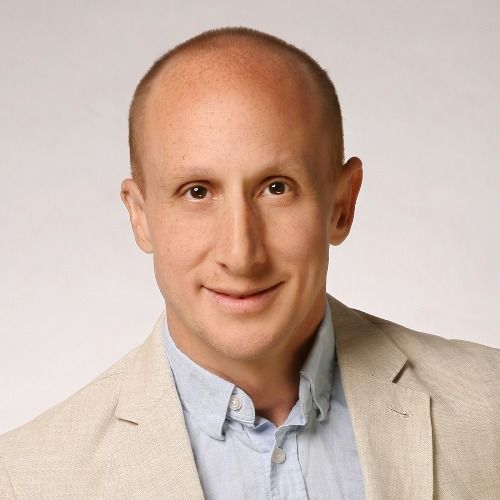
Christian Morris – Getting into Jurors’ Minds, One Scenario at a Time
A woman browses in a knick-knack store that has a sign: “You Break It – You Buy It.” Sure enough, she accidentally breaks a figurine – and it has a $78 price tag! The woman protests: “That wasn't worth $78! And your shelf sticks out too much!" Christian Morris presented that scenario to jurors in a case where her client was injured in a low-property damage incident. Tune in to hear what Christian learned from juror reactions to the story. And stay tuned as shares her voir dire playbook with hosts Harry Plotkin and Dan Kramer, including how she navigates damages, peremptory challenges, and notes.
Learn More and Connect
☑️ Christian Morris Trial Attorneys | LinkedIn | Facebook | Instagram | TikTok
☑️ Harry Plotkin | LinkedIn | Facebook | Instagram
☑️ Dan Kramer | LinkedIn
☑️ Kramer Trial Lawyers on LinkedIn | Facebook | YouTube | Instagram
☑️ Subscribe: Apple Podcasts | Spotify | YouTube
Produced and Powered by LawPods
Episode sponsored by Tisa Film and Baldwin Settlements.
Transcript
Ready to take your verdicts and jury selection to the next level? Jury consultant, Harry Plotkin and trial lawyer Dan Kramer are your ticket to tipping the scales before trial begins. You're not just picking a jury, you're picking justice, produced and powered by LawPods. All right.
Daniel Kramer (:Welcome back to another episode of Picking Justice. We're here really excited today. We have an amazing guest, but before I get there, Harry, I think this is a first for us. I'm actually picking a jury in a few hours here in Santa Monica. So I'm really hoping that you guys can teach me some stuff that I can go use in the courtroom here shortly.
Harry Plotkin (:Yeah. You could turn it around in three hours.That's how picking justice works.
Daniel Kramer (:Yeah, exactly.
Harry Plotkin (:Just listen in the morning of trial. I'm sure a lot of people do. I mean, I've heard from a lot of our listeners that they will listen on their way to trial and everything like that just to get ... Some have said to get pumped up or just to get a couple ideas going. So the host is the same as everybody else. We're all learning.
Daniel Kramer (:Yeah. Yeah. Put my pants one leg at a time like everyone else. Exactly. I was actually listening to that Rohul episode a little bit ago. It was pretty good, honestly. Anyway, before talking more about my trial, I'm really excited to have just an amazing trial lawyer here with us, Christian Morris out of Las Vegas, who is really just an incredible trial lawyer. She runs an all female trial team. Is that still correct? Sure
Christian Morris (:Do. Yeah.
Daniel Kramer (:I was looking at your website. That's amazing. And I saw her put on her trial of the $30 million brain damage verdict she got a few years ago and it was incredible. It blew my mind. I mean, your ability to interweave graphics and your storytelling, your timelines, it was great. It was truly just a great presentation and an incredible verdict. And I can't wait to learn how you pick juries, Christian. So welcome. How you doing?
Christian Morris (:I'm doing great. Thank you. Thank you for that introduction. Remember that actually. I watched your presentation as well. It was with TLU. Oh
Daniel Kramer (:Yeah.
Christian Morris (:Yeah. Dan Ambrose had us on the stage for a very long time.
Daniel Kramer (:Oh yeah. Very long time. I think I did the trial in less time than we were on stage.
Christian Morris (:Yeah, that sounds
Daniel Kramer (:About right. No, but that was great. That was when I first met you, I think. You're also a graduate of Trial Lawyers College and I know you're still pretty involved in the Jerry Spence method and all that. So anyway, let's get started. Harry, why don't you kick us off?
Harry Plotkin (:Sure. Yeah. So Christian, I'd love to hear how some of the things that you do differently or uniquely in voir dire because we'd love to bring our listeners new ideas and not just the same. Talking about just tort reform and burden of proof and everything like that. So up to you whether you want to just talk about some ideas or if you want to demo that $30 million jury selection with us as jurors, feel free. I mean, you can ask some questions.
Christian Morris (:Well, I got to tell you, that was during COVID. And so we had to do jury selection in the jury services room.
(:And then we moved over to the convention center where we were going to finish out the jury selection because that's where we were going to do the trial. And this isn't about my jury selection. This is about defense. They had an issue. The trial attorney couldn't show up the first day of jury selection and the judge said, "Look, the associate needs to start." And so that poor guy, I mean, he was swimming around. He was struggling. But turns out he did way better than the head trial guy who showed up from Arizona the next day. He stands up to do jury selection and he has the microphone, but it's getting feedback in the convention center no matter where he stands. So he asked two questions, kept getting feedback and he's like, "I passed the jury. I passed." Wow. He gave
Daniel Kramer (:Up, huh?
Christian Morris (:Wow. He just gave up. I couldn't believe it.
Daniel Kramer (:Were you guys messing with the mic beforehand to make that happen?
Christian Morris (:I don't need to do stuff like that. But then I went ahead and did opening and then they waved their opening. It was just the weirdest thing I've ever seen. And they did it later on.
Daniel Kramer (:Wow.
Christian Morris (:But man, that throws you right into trial way before you're anticipating it, right? I was like, "Oh, I can go home and work on my opening more tonight." No, I'm doing it right now.
Daniel Kramer (:Wow. That is ... Yeah. So how many jurors did they bring in for that case?
Christian Morris (:We brought in 60.
Daniel Kramer (:Okay.
Christian Morris (:Yeah.
Daniel Kramer (:And they're just all spread out?
Christian Morris (:They were all spread out. They all had their own monitors and it was a lot of ... And I was concerned because I had to stand way back and everyone had to wear a mask, but they followed right along. Didn't matter at all. So worked out great.
Harry Plotkin (:Those are crazy days. Those are crazy days with ... Yeah.
Christian Morris (:Here I am suing a first responder during the pandemic. They're on the cover of People Magazine. They're all sitting there lined up in their uniforms.
Daniel Kramer (:Yeah. I mean, well, let's hear. I want to hear how did you address that head on?
Christian Morris (:I just asked. I mean, real flat out. Here we are in a time where we desperately need our first responders. Every single day, we are incredibly grateful for them and all of the efforts that they do to try to keep us safe. And here I am, and the defendant in this case is a first responder. And so who here feels like me, very grateful to have them. Who here feels the same that I do? And who here feels like despite the fact that we do need them, we are able to put aside the facts and circumstances that we're living in today and look at what happened to Chantel Jackaloni back the next day. And that was it. I kept it straightforward. And it was not a bump in the
Harry Plotkin (:Road. Yeah. Did you get a lot of cause on that question or you just try to get them to get past it?
Christian Morris (:It didn't matter. I mean, it's kind of like nobody hates the first responder. You know what I
Harry Plotkin (:Mean? I'm sure everybody raised their hand to appreciating them, right? Yeah.
Christian Morris (:And like, oh yes, of course. Because there was no way ... And in that case, I had done Big Data Campbell and looked into what my issues were and it wasn't an issue. I figured I just need to touch on it and move on. I had other issues.
Harry Plotkin (:That's a great teaching point too, because a lot of times lawyers will take whatever they think is their worst issue and they'll talk all about it in voir dire and you're like, "That's a non-issue." I had a trial a few months ago, we're picking a jury in a products case where it was like an off-road vehicle and our guy wasn't wearing a helmet. And we were going to say our expert was going to say, I think the other expert actually said it was not a factor in the thing. But the lawyer starts talking a little bit about not wearing helmets. And I'm like, "Stop. Nobody's going to sit here and say they're okay with someone not wearing a helmet." And so you're just going to get rid of jurors who might be great for you on every single other issue. And same with you. I mean, you could have probably gotten 40 people for cause on liking first responders, but that doesn't make them bad jurors, right?
Christian Morris (:Not at all. And I watch people create a problem. Why are you planting these seeds of doubt where it is an issue, but I wasn't going to lose the case on it. And that's always where I look. Whenever I prepare for a trial, I'm like, how am I going to lose this case?That's the only thing I'm really concerned about and where it's someone who has multiple other claims and maybe they're looking at gaming the system. I mean, that's a real danger point in some cases. And so that's what I'll really drill down on, but I don't want to not recognize it. I want the jury to know, I have noticed, I know this, especially because I do a lot of medical malpractice and my husband's a doctor and I tell the jury, I love doctors. I desperately want doctors to be amazing. I want them to people that we trust.
(:I do. I mean, there's just no bone in my body that doesn't feel that. However, despite that, we have to look at this situation. And so wherever there's something there, I need them to acknowledge that I know it, but this is a problem for us. We're going to deal with what we've got before us here. I want to go back to the original question because- Go for it. I go off on a tangent. I'm the queen of it. I absolutely love to use scenarios in jury selection and I like to come up with them. They're fun. They're cool. I've never once had an objection to them and not been able to use it. And what I'm doing is I'm trying to figure out certain mindset of jurors and/or where there's an issue. I'm kind of trying my case, but I'm not really trying my case.
(:And they're fun. Scenarios are fun. I call them scenarios. They're probably should be labeled something else, but I tell the jury, "I've got a scenario for you. " So an example would be, and I use this in the medic trial, a house is on fire and the fire truck shows up, it has no hose and no water. And the fireman says, "That house, that fire was so bad, it would have burned down anyways. It doesn't matter that we didn't have a hose. It doesn't matter that we didn't have water. How does that make you feel?" Now, I was getting a variety of responses and that some people were like, "Well, maybe they called ahead and they knew there wasn't going to be one and that's why they didn't have the hose and they didn't have water." I don't like that juror. They're looking for an excuse for why they weren't prepared.
(:Other people were like, "Well, what about the house next door?" If that fire was so bad, maybe the house next door could have burned down. One juror who I was on the fence on, he was a young guy, he was a gamer. He did say he liked plants, which that's a good thing. He said, "Well, they could have at least saved a picture." And I thought, "Wow, that's really thoughtful." And I kept him and he was one of my best jurors. I mean, he literally told me why he gave the verdict the way he did. And he had a fantasy of the family bringing her in an airplane, like a medic plane to Disneyland and pushing her around so she could see those fairy princesses that she loved when she was a child. And that family loved her so much. They didn't care if everyone stared at her.
(:So I like those. I also have used, and I'll think of different ones. So I had one and I thought that's a little bit cheesy, but the case was bad. I mean, she was already surgical. She was rear-ended. There was zero property damage, not even a scratch bumper. There might have been, or it could have been dust, but we'll never know because the car was repoed. It got dumped in my lap four days before trial and I was like, "Okay, so let me just figure..." Then she had surgery. So my scenario was there is this man, he has his favorite coffee mug. It's from his alma mater. He drinks out of it every day. Loves that mug. He's had it for so long. It has a crack in it, but the cup still does what it's supposed to do. It holds the coffee. And one morning he finishes his coffee, he puts the mug in the sinks and wash it later and his son who's making breakfast turns around, has a sauce pan and throws it into the sink and the mug shatters.
(:And the son's like, "That old mug, it had a crack in it. It would have broken anyways." How does that make you feel? Should he get a new mug? What are we going to do about this mug? So it's like people were fascinated by it and he doesn't deserve a new mug. He didn't have a new mug to start with. And someone else will be like, "Well, how come he can't get a mug with a crack in it, so the only choice is to give him the new mug." Other jurors were like, "Well, he shouldn't have left it in the sink. What did he think would happen?" They're
Harry Plotkin (:Already blaming him. Wow. Putting it in the sink.
Christian Morris (:And so the next day I've got the jury back and I always, always try to be respectful and ask them all of the questions. But I tell the jury, I'm only allowed to speak to the people in the box, but I turn around and say, "Because I want to be as efficient as possible, please listen carefully to every question that I'm asking. And if you feel like, gosh, I might have a response to that, think about that because if you get picked up here, I want you to be ready to say, You know what? Christian yesterday when you were talking, I had a feeling there. But I try not to go through everything as specifically because I'm trying to be efficient but respectful. And the first lady in the box, I talked to her for a while and moved on and she's like, "Well, you didn't ask me about the coffee mug.
(:I've been thinking about that coffee mug all night." And then there was a man on the jury who worked in memorabilia and he said, "You're not talking about a coffee mug. You're talking about a spine." And I was like, "Okay, you caught me.
(:" But I find these different ways to do it about whether it's just a coincidence, because that's what the issue is almost in every orthopedic case. Well, they were degenerating their whole life. Even though they're in this collision or had this fall, it doesn't matter because they would've had the surgery and the injections anyways. It's just a coincidence that this incident happened or are we going to use, and I love Keith, the reasonable medical conclusion that it's related to the incident. And so I'll do that with, you know how the judges sometimes say when they describe circumstantial and direct evidence, like when you go outside, if there's water everywhere, even though you didn't actually see the rain, it's circumstantial evidence that it rained and then direct evidence would be if you actually feel the rain. And so I have these two people who are putting a bet on whether or not it's going to rain now because the forecast says chance of rain.
(:And so someone gives 100 bucks and says 100 bucks, it's not going to rain. The other one says 100 bucks, it is going to rain. The next morning they go outside and it's wet everywhere. And the person who said it's not going to rain says, I mean, it could have been like a sprinkler. And so they look down the street and all of the other cars have water on it, water on them and there's water on this road. And he's like, "Oh, maybe a water main broke." Who here has won this bet and why is it unreasonable for this person to claim that it could be absolutely everything, but the obvious circumstantial evidence that it rained out? And so using different scenarios like that, it's fun. The jurors love them.
(:It breaks it up. I'm not trying my case. Every case I use something different because it gets me thinking like, what do I want to find out about these individuals? Like a store has a sign that says break it or buy it. You break it, you buy it. So this woman walks in, she's got a big purse. So there's a shelf that sticks that a little bit. She's on the phone. She turns, her purse hits the shelf and this little figurine falls to the ground and it shatters. The clerk comes over and the woman's like, "Oh my gosh, I'm so sorry my purse hit the shelf." Then the manager comes over and he says, "If you break it, you buy it. " And it looks down and the figurine's like $78. And she said, "Well, $78, that wasn't worth $78 and your shelf sticks out too much." How does that make you feel?
(:You get a variety of responses. Some people are like, "Well, you break it, you buy it. " Well, that shelf shouldn't have been sticking out so much. Well, if the business, can't they negotiate it? I'm sure they have a system where they can just do write-offs. What is that telling you about the mindset of that juror? It's telling you that these are the people, the break you buy it right, they're there. Those are the people we want. The other ones who are trying to find reasons for people to not be responsible despite what the rules are is what I'm going for. And so in that case, which was a very difficult case, low property damage in a parking lot, they're like, "Okay, there's 82 ways why this woman coming from yoga who now needs injections and surgery couldn't have been injured in this slow speed." And of course, I'm talking to them about low visible property damage and all that other stuff, but I'm really getting into the mindset with these scenarios.
(:And I absolutely love making them up. I practice them in focus groups because if I get laughed at, I'm like, "Okay, I'm not doing that one."
(:Or if I get a chuckle or two, it's fine.
Daniel Kramer (:And then I imagine you take these analogies and you put them into your closing, right? And then how people ... Yeah.
Christian Morris (:Yep. It always plays in in some way because in the medic case, they didn't have the IV epinephrine that was required. And they said, well, her reaction was so bad she would've been brain damaged no matter what. And so it's right there. They didn't even attempt to because they're just going to use the excuse. It was just so bad anyways. And it really does play into medical malpractice cases when there's an adverse outcome.
Daniel Kramer (:Yeah. So when are you introducing these scenarios or these hypotheticals? Are you doing it early, like in the middle? Where do you sequence it?
Christian Morris (:I do it in the middle because I need to gain credibility before I ask these crazy questions. So the key to jury selection is first impressions matter. I love jury selection because it's the only time during trial that I don't have to worry about being a lawyer. I'm not going to get an aha moment. I'm not doing a gotcha. I'm not trying to deal with exhibits, which I'm terrible at. I'm always like, "Which paper am I supposed to be admitting?" I usually admit four things and just keep it very basic. I can just be myself. And so I go through a lot of opening the warmup statements at the Jerry Spence method, we do a share. I don't always do a share. So what are you passionate about? What do you care most about in life? Sometimes I do that. Sometimes I have such a warm panel.
(:I don't have to do a warmup statement. I don't have to do an individual question, but really I have to be in there to kind of figure out the feel of the jury before I do that. And then I go through what are my danger points? I hit those right out the gate. I always were allowed to do, they call them mini openings, but I do a very neutral two to three sentence introduction and keep it very basic. Starting off basic, starting off straightforward. And so mid-jury selection, I'll start doing scenarios. Once I start doing who are you closer to and things like that about once I do this property damage or some people feel like rules are meant to be followed, other people feel like it's more of a guideline, which are you closer to? And then I'll drop usually two scenarios and then I'll break it up with other questions and then drop another one later.
Daniel Kramer (:No, that makes sense. What's your low property damage? Asking for a friend, because I got to deal with this here in a couple hours. What's your not much visible property damage, voir dire?
Christian Morris (:So it's a sliding scale. When there's not a lot of visible property damage, some people feel like if there isn't significant property damage, something that they can see where there's a big bill for that property damage that no one could be seriously injured. It's just kind of their thought process in it. It's like, I need to see that so they can kind of connect it. Other people feel, and I'll move to the other end, other people feel that every body is different. And so some people can be in rollovers, walk away. Other people can be in collisions, but have very little visible property damage. You can't even see it from the outside and understand that people might need surgery as a result because every body is different. So I'd like to go back over here and then I'll walk over because I don't want to be like standing in the place where I don't want people to be.
(:And I'll go over and like, who here, who? And I still that from Danny Rodriguez. I love him out at Bakersfield. Who? Who? The owl technique. Who? Because it assumes there's people there. Who? Who here feels closer to that? And that's how I deal with it. And I mean, some people are like, "I'm not there. Are you right here in the middle?" Some of these judges, they just do what they want, but how much property damage do you need to see for someone to be injured? Is there a number? Because people have numbers in their head. I need to see 2,500 or more. So I need to know what number if they're in that area, what number they are. And if that number isn't in this case, are you saying you would not be able to consider the possibility that someone was injured? Yeah. All right.
(:You've got them for cause without even trying your case because they threw the number out and so they've already told you they can't sit on that jury. So I go into jury selection with the mindset that these are all my friends and people are going to self-select themselves out just with the answers that they give. I can't go into jury selection thinking, "How can I get these people off?" I heard people call them Bubba. It's so disrespectful. These people are taking time out of their lives. I want them all to stay, but they're not going to be able to. I can tell you
Daniel Kramer (:That. Yeah. Some of the best on this podcast was from David Ball. He says it's all about your mindset. And when every single juror walks in, you need to think, "I wonder what that person likes to do. I wonder what they do for fun. I wonder who they love. I wonder what they ... " Just really positive things about ... Because they all walk in in a single file line. So you're doing this on every single one. I started doing that and I noticed my whole approach, probably my facial expressions, my tone of voice changes to them because I used to be early on scared of them. I'm like, "They all hate me. They're going to hate my case. They're going to hate this. " It's all negative thoughts. But just doing that simple thing of thinking each one individually, I don't know, that's worked for me since he told us that.
(:A
Christian Morris (:Hundred percent. I mean, there are some we should be scared of, but- The illusion that I don't-
Harry Plotkin (:But you don't know which ones. I mean, sometimes you see some dude in a big camo shirt or a woman with just a kind of a mean looking face and you're like, "Oh God, I don't even bother talking to them." But you just never know. I mean, I've seen some that look so friendly and they're so hostile and then some who you think are going to be conservative and hate your guts and they say amazing things. Oh, I mean, the other day I had one that was like a CFO and he was amazing, but a lot of the lawyers would be like, "Don't even bother talking to that guy or use your fear and start basically trying to get him for cause before he's even opened his mouth." And he would be sitting there going, "I don't understand. What are you talking about? " He's very supportive of the case.
(:So yeah, I don't think you can prejudge your jurors, not just because it's a mistake strategically, but I agree mentally and emotionally. If you're prejudging them, you're going to just do weird things in jury selection.
Christian Morris (:Oh, 100%. I mean, what a mindset to go into something with is like, who here is going to screw me? I mean, I was actually up in Salt Lake City at Utah Trial lawyers a couple weeks ago and I was talking to them just in general, but I mentioned of what I hear that I always stand up thinking like, "Who are my friends?" But I said, this morning I came in, it was a very early, I was up there for like an hour and a half and it was like an early start and I could see the look on people's faces. And I said, I walked in here and I thought to myself, "I wonder who here in this audience is going to like me by the time I'm done and think, oh man, I learned something from that girl." And that's the mindset when the jury comes in, who here is going to like my person, who here is going to like what they're seeing?
(:And that has helped so much because I talked to the jury too about the fact I am not a confrontational person. I actually avoid confrontation, which is odd for a lawyer, but gosh, I haven't argued with anyone in years. It's just not in my nature. I think you stay in your lane if you're going to do this, I'm going to stay in mine. But I do talk to them and this is important. And I don't say this is because of female, but I will tell you, I've had feedback as a female trial lawyer from female jurors. They do not like it when I get mad or aggressive with a witness because it appears to be out of my nature. And so they think that I've been fooling them. So what I've learned to do is get permission in jury selection and tell them, I obviously am an attorney here on the plaintiff's side and we are in a confrontational adversarial, some people call it situation, but I am not a confrontational human because my heart rate go up, sometimes I get hives and so I try to avoid it.
(:However, during this trial, you will see cases where there is a witness who's on the stand and I am diametrically opposed to their opinion and I might get a little spicy. And when you see me get spicy, it's because I disagree with what they're saying and I'm trying to get that across. Are you okay? Do I have permission to get a little spicy if I need to in this trial? And they say, everyone says yes, right? So then when I have the witness on the stand, I'll say, "Doctor, I'm just trying to get through this and I understand that you want to explain it and I've asked you to say yes or no." And I'm apologizing right now, but I'm going to have to get a little bit spicy and the jury likes smiles. I've warned them that I'm going to go out of character.
(:And I also do that because I try my cases with ... I have all female firm. I'm a lesbian by day and hetero at night for my husband only because I love having an all female firm, all female trial firm. And I've watched defense in the last three years, they'll just throw a female defense counsel up.
Harry Plotkin (:Always, yeah.
Christian Morris (:Oh my God. And she's just like ... I mean, I was at the bench. I had a trial last fall and they threw her up there. Poor girl did not ... I mean, she was not prepared. We're at the bench and I'm helping her. I'm like, "Judge, I think this is why she's asking that question." But I warn the jury on that as well because I don't want them to be confused on what's happening. And so I'll tell them, "We have a team here with varying levels of experience." And so during the trial, you may see them come back and ask questions of me or you might see me hand sticky notes over or they might hand sticky notes to me because we have varying levels of experience and we work as a team. Is it all right if you see that happen? Is everybody kind of comfortable that sometimes we'll be doing a lot of communicating when one person's doing something and they're, "Oh, yes, yes, yes." And then after the jury will say, "We call you trial mom." Great, I'm not that old.
(:But I'm conscious to explain everything that I'm doing and why I'm doing it in a very like, I know they've never done this before kind of approach where a lot of people just get up and they start talking and lawyers are supposed to be really smart and cool. And I like to start a clean slate every single time like I'm doing it for the first time and I'm telling them why I'm doing it. And it keeps me very grounded and clear as to those steps that I need to take because we're so busy in our heads that we overthink and say things that just don't make sense.
Daniel Kramer (:Yeah, no, I like that a lot. I mean, you are laying it out for them. Let me ask you a question, kind of big picture philosophy. Obviously you spent a lot of time with the ranch, that's where you obviously had a lot of your trial education through there. Do you have a general philosophy on, you always hear about building the tribe versus deselection. Do you have a general philosophy like that or is that too vague? I'm curious what your approach is generally to that.
Christian Morris (:Yeah. I mean, the idea of building the tribe is really that creation of trust. So kind of what we talked about earlier, like I'm not in there trying to figure out who to kick for cause, but I will tell you that when I pick my jury, I know I have a general idea of who my foreperson's going to be. And then during the trial, if I'm going to lose, I know who the foreperson's going to be. But the idea is that you build the tribe, yes, during voir dire jury selection, but the truth is you build it with trust. You're not actually picking that person and that person and that person because they're all going to be a good member of your tribe. You're building it with them at the same time. And so they're seeing your struggle. They're seeing your approach to bad jurors.
(:So I mean, I've had jurors just come at me. I apologize. If I've said something like, "You made that big number." And I'm like, "I'm so sorry that that number is something that you struggle with. Thank you very much for telling me about that and working through it. " You build the tribe through the trust of the way you're acting when they expect the exact opposite, where they expect the kind of you're being sly because you can't advocate
(:In voir at all. In fact, that's where on the ranch we talk about the share. And so a share in low property damage would be when I first met the client Catherine and I saw the vehicle that she was in and I saw that there was very little property damage and I thought, wow, how can someone be so injured if there's very little property damage? That's a thought that I have. Who here, knowing that there's very little property damage here feels the same? Kind of hearing that, knowing that there's a number of medical expenses and a lot of years of treatment that we're going to learn about. Who here feels that way? That's how you start to build by that honesty. That's what the share is on the ranch that's so important because those people are like, "Oh, now you can't do it in a way that they're like, well, why do you have the case then?"
(:Because you eventually get to the I learned too, everybody's different and you kind of develop it that way. Then the jury comes together after they've been selected and follow you, but you have to layer it. There is no one technique that works every time at every trial. And that's where I see a lot of misplacement of skills. There are some great skills that just need to live in another courtroom on another case. And so you have to kind of live in the moment of what you really are dealing with with that jury. And many times, especially in Vegas, with all the billboards that we have with inner rec needed check, and I mean, we've got a lot of like there's multiple claims that's going to come in and stuff like that. Many of the times we're dealing with it. And I'll never forget, I did a terrible share once.
(:It was terrible. It was like the worst thing I've ever done and I didn't practice it. And Jerry Fed said, "Someone will save you and nobody saves me. " I just said how much-
Daniel Kramer (:What was it? Let's hear it.
Christian Morris (:How much I hate billboard attorneys. I just can't stand them. Anyone here feels similar? And the jury's just like, "What?" Wait, no one
Daniel Kramer (:Raised their hands to that? No, I think they
Christian Morris (:Were just So shocked by being like- Just turn
Harry Plotkin (:Around. Just say, are you going to hold it against me that I'm not one of these billboard attorneys that you all love and respect?
Christian Morris (:Yeah. It was the longest silence known to man. And the other day one of my attorneys said, "Christian, I just did terrible in that hearing." And I said, "Do you remember that time I asked that question about billboard attorneys? Was it that? " But that's where-
Daniel Kramer (:Wait, sorry, sorry. So you just got up there and said, "I hate billboards attorney. Anyone else?" That's it? Yeah. I mean,
Christian Morris (:I was kind of coming back fresh off the ranch. This was like 13
Daniel Kramer (:Years. Oh God, I love it. I love it.
Christian Morris (:But I mean, this is the stuff. People are like, "How do you become a great trialer?" You do it. You are what you repeatedly do. And so this is the stuff where I can laugh about it because I made up for it later on in life and I didn't lose the trial. It was just an awkward moment for me. And I remember it because it was embarrassing, but the jury probably didn't. And so this is where the key to success for me is realizing this is not about me. This trial has nothing to do with me. And it frees me from this issue of like, how do I appear? Do I look smart? Am I prepared and organized? Where it's like I have a job to do and it has nothing to do with me. I am the tool to get the job done. And it takes a lot of pressure off of the performance aspect of being a trial lawyer because we know what we're doing.
(:It's just that we get hyped up on the performance level and it puts a stress on us that is very unnecessary and it makes us not think clearly.
Daniel Kramer (:Yeah, 100%. I think trying to be too perfect scares you and then you lose the substance a lot of times.
Christian Morris (:Yeah. And the expectations that people put on you. It's like, oh, I had a trial earlier this year and the judge said in the batch, "This does not seem like a Christian Morris level trial." I was trying it for a friend. And it wasn't, to be fair. But how old am I supposed to keep in the courtroom? My good cases settle or take five, six years to get ready. And so if I'm only trying those multimillion dollar huge cases, I'm going to try a case once every three years.
Daniel Kramer (:I totally agree. Every chance we get to get in front of a jury ... I mean, shit, I mean, Rally's probably tried almost 200 cases at this point. I mean, he always says that's how he's gotten to where he is, just by the reps and all that. With that, let's take a quick break to thank our sponsors. Thanks LawPods as always. Let's thank our first sponsor. I'm very excited for this gentleman who has decided to support this show. He's a very good friend of mine, John Teesa of Teesa Film and Tech. He has been my trial tech I think for the last 10 years. One of my first big trials, he was there working for another company. John Teesa really is just one of the best out there, a very humble guy. But if you need a trial tech, someone that is literally going to work any hours, anytime he is available, he's quick, he makes your trials seamless, easy.
(:He can do it all really. We use him for literally everything technological in trial. He does our depo clips. We play a lot of depos and opening throughout our case. He'll do clips on the fly. He helps me with all my PowerPoints and opening statement. He is my right hand man at trial. He'll sit there in the hot seat, great with exhibits. Really, I just can't speak highly enough of John Teesa from Teesa Film and Tech. He's doing cases throughout California, but I know we started to expand out of state. He has an amazing team of people. When he's in trial and I need him, he always gets me someone who is top-notch so I really can put on the best case. I can't recommend John Teesa from Teesa Film and Tech.
Harry Plotkin (:If you're trying to do all that stuff on your own, man, you're missing something in terms of prepping for the actual jury. So you guys, if you're trying a case, you need somebody doing that tech, all that stuff for you after hours. I mean, after hours, you're prepping for the next plaintiff. You're putting together depo clips and demonstratives and things like that, right, Dan?
Daniel Kramer (:No, man. I mean, not all that recent verdict we had in San Diego. I mean, he was working with us. We had a lot of depo clips from video witnesses, like lay witnesses, and he put together this beautiful montage. It was almost like a documentary, just all these things these people were saying about my client who suffered a traumatic brain injury. And he put together this thing that was like a documentary that I was able to play in closing because it was all in evidence and it just looked so good and so clean. And the jury really liked it. So can't speak highly enough of John Tisa. How
Harry Plotkin (:Do you get in touch with him? How do you spell his last name for the viewers who want to get in touch with him or how do you get in touch with him?
Daniel Kramer (:Tisa, T-I-S-A Film and Tech. And his information will be on all of our promotional materials and all that. So John Teesa, one of the top out there. Our next sponsor who is always supportive of our podcast and the plaintiff's bar is Melissa Baldwin from Baldwin Settlements. She really is the go- to structured settlement vendor out there. She's another person that I have known for over a decade, extremely supportive of the plaintiff's bar, Calla, CAOC, AAJ. She will get the best deals for your clients, get them the most money in their pockets from a structured settlement. She works great with clients who may not be that sophisticated. I had a really catastrophic injury death, or not a death, but it was nearly a death where my client was not very sophisticated. He had some drug issues, and she was able to speak at his level and get him to do a structure that really helped set him up and his family up for the rest of their lives.
(:Got him a great rate. She also structures attorney's fees, which is something I've started to do lately, just structuring fees so you can kind of have a little nest egg built up for either your business or yourself. Melissa Baldwin from Baldwin Settlements, really just a fantastic person, a great businesswoman, a great mother and a great friend who I highly recommend, Melissa Baldwin from Baldwin Settlements. Thanks again to our sponsors. And like I said, always thank you to LawPods for making this possible. I do want to ask how you talk about money in general in voir dire. Obviously in that great verdict you got, did you say the number you were going to ask for or did you give a range? What's your philosophy on asking and talking about money? Do you talk about in mini opening, many millions? How do you do it?
Christian Morris (:Yeah. So I do not give a number in opening in voir dire at all because I'm testing the waters on numbers. And so what I'll do is I'll talk to them. There's a couple of ways to handle it depending on the case. And that's how I select the number. But one of the things that I've done, depending on the jury, I'll say, some people feel that no matter how much evidence is presented, no matter how much information is provided, they will never be able to come to a verdict for a hundred million dollars. There's just something within them that they just could never put that number of zeros down on a verdict form. Who here feels similar to that, no matter how much evidence? Another way I do it is that during the burden of proof. And I stole from David Ball a little bit more right than it is wrong.
(:And man, do I use that a lot when I've got a wobbler case? I'm not sure if I'm going to go a little bit. And I had one juror say like, "I just get back there." I just kept thinking a little bit more right than it is wrong. I must have said it like 500 times during the trial even witnesses on the stand. So I will say in a civil action, we have a standard which is the preponderance of evidence and that's different between proof beyond a reasonable doubt. No, no, no, no. I've watched Law and Order for years. I've watched and re-watched it. And so there's this criminal standard, proof beyond a reasonable doubt. Now, some people feel that I'm talking about $25,000. Preponderance of evidence, it's not that big a video. I can handle that a little bit more right than it is wrong.
(:But if I'm going to ask for $250 million, they're going to want to hear proof beyond a reasonable doubt. The standard changes based on the amount being asked. So $250 million, who here feels like I would not be able to apply that preponderance of evidence standard, that little bit more right than it is wrong. I'm going to need proof to beyond a reasonable doubt. So I'm talking about it there and I'm using that as my numbers and you've got to be careful because you can lose good jurors with that question. And so I will not pick all of the hands that go up if I don't want to because I've already decided I use these questions at the end, the numbers, questions at the end. So I'll do the $100 million or I'll do the 25, 250 million, and then I'll go through every class of damages, the value of physical pain, the value of mental pain, the value of mental anguish.
(:And I'll lose jurors there too. A lot of them struggle with the mental anguish aspect. They would not be able to put a value with multiple zeros behind it for mental anguish, but I'm separating every category that lives on my jury instruction out because I want to make sure I'm hitting all of them. And that's where I start losing my people. But that idea of putting the number there, I haven't said I'm asking for it. I'm just asking if they're able to and apply the standard as well. The couple trials ago, the defense counsel stood up and said, "She's asking for $250 million."
Harry Plotkin (:In voir dire, they said that?
Christian Morris (:There. Yeah, after I sat down and I thought, "I want to object, but I didn't."
Daniel Kramer (:Yeah, that's a gift, I think, because then all these bad jurors- Oh
Christian Morris (:My God. Well, here's the best part. Do you find that offensive?
Daniel Kramer (:What are you
Harry Plotkin (:Saying, Carrie? Yeah, I mean, it doesn't bother me. I mean, because you're going to fix it in opening or closing when they realize you're not. I mean, but they're also kind of setting a high anchor and also maybe doing your job by ... Did they get off some bad juror for you for cause and their voir dire by saying, who finds that offensive? I mean, they're kind of helping you. That's what I think.
Christian Morris (:Well, so I mean, I only asked for 33 million in opening and then we mistried. I've never had an intentional mistrial before. Defense freaked out, caused an intentional mistrial, second day of trial. But I was able to talk to the jury after and they had no problem with 33 million. They had no problem with even suggesting 250 million because I was like, "Oh, it's the perfect breeding ground to ask all these questions." But defense counsel, I wouldn't find it offensive. And there's this one guy who was on the panel. He was a mold expert. He was going to go anyways. This guy's like ... So he puts his hand up. I do, but if it was like 14 million, I'd understand. And it's like, you don't even know what the case is.
Daniel Kramer (:I know. So specific.
Christian Morris (:Yeah. And my client only had like 325 grand in meds, but there were other aspects to it which made it very sympathetic, which we don't like sympathy, but it was a very sad case. So they were just talking about 250 million for like two days. And I'm like, "This is the best thing that's ever happened to me. I should start doing
Harry Plotkin (:This. " One time I was, years ago before I stopped doing defense work, one of my last defense cases, and it was so frustrating, the plaintiff lawyer asked, I think the voir dire threw out a big number. It was like 20 something million. And during the break, the defense lawyer wanted to do ... Here, I want to talk all about that. And I was like, "Don't do it, don't do it. " And he was like, "I want to write down 26 million on a post-it and put it on my forehead." And I was like, "Don't." And he did it, not the post-it note, but he went there and just bitched about it the whole time and it just blew up in his face. It was just so stupid. It was like, if they're going to get mad from the defense, I'm not giving it defense advice, but if they're going to get mad, let them get mad on their own.
(:You don't have to generate the ... But the same thing applies for us. Lead the jury to get mad. You don't tell them that they should be mad. So yeah, I mean, that's stupid.
Christian Morris (:If you get mad, it takes their right away. And then they're focused on you. I do a ton of focus groups and I learned ... It's very interesting. In fact, John Campbell sent me the research on it because he and I are working on a case and I could not stop crying. It was just sad. It was just such a sad case. And as a mom, I got to tell you, if I have a case with a kid, oh my God, I have to hold it together. They are my nightmare. There is nothing that separates that family from me except for it hasn't happened to me. And so I'm trying everything I can to avoid it. I mean, I'm just like the helicopter parent at this point because I just see so much tragedy. But I was focus grouping and focus grouping this case because I couldn't stop crying.
(:They had lost their daughter on her first day of college, like driving to school. And the mom said, "I should have told her to take the side streets." And my kids only ride with the nannies on the side streets. I don't let them on the freeway unless I'm in the car driving.That makes a big difference, but it does in my mind.
(:And so every time I cried, when the focus group got debriefed, they were like, "She wants sympathy. She's trying to manipulate us." And so I had to make sure to hold it together. Once during that trial, my voice cracked when I was talking to the sister and the jury just whipped around and looked at me. "Got to be careful, hold it together because that takes their ability to feel bad away and then they find me manipulative. "But men, and Campbell sent me the research on this, when men tear up in court or get emotional, they gain credibility. Female lawyers lose it.
Harry Plotkin (:I'll tell you that, I mean, I think in closing you can get, once the jury is with you, it's okay to cry, but I've seen it this last year, a couple of focus groups where the lawyers, they were both happened to be male attorneys for whatever reason, but they cried in their focus group presentation. And this is just like an hour long presentation. So it's like essentially the opening and the juror, man, at least two or three jurors just let them have it. They were like, I can tell you both of these guys, they were not faking
Christian Morris (:It,
Harry Plotkin (:But the jurors just ripped them. And I always tell people, " You can do that in closing, but you can't do it in opening. And because this is the first 15 or 20 minutes that they're hearing from you, it's way too early. They're going to think that you're manipulating them and just faking crying. "So I don't think it would hurt you if you did it in closing, but-
Christian Morris (:Yeah, I'm not doing that. You
Harry Plotkin (:Got to build that. Yeah.
Christian Morris (:The whole time.
Harry Plotkin (:Right, right. I mean, I had a judge take away a verdict of ours because it was just so ridiculous, but because the female attorney cried in closing, didn't hurt us at all in that case, but the judge decided that inflamed the jury somehow, which is ridiculous. So maybe even with judges, they don't like it, I guess. Yeah. The wrong judge at least. Our
Christian Morris (:Actual defense counsel representing a casino tear up and start crying in voir dire.
Harry Plotkin (:Wow. I just love these casinos so much there. Yeah,
Christian Morris (:Exactly. I'm like, " What?
Daniel Kramer (:"How do you handle that, I guess? I mean, trying cases against casinos in Las Vegas, what's your voir dire on that?
Christian Morris (:Oh my gosh. I talk about absolutely how much we love them, how much we need them, how they are the backbone of the city, that it is very important that people feel like you can come to Vegas and be safe and how much we appreciate that and how much they contribute to our economy and how important it is that people across the nation have a good view of Las Vegas, that when you come to Vegas, you will be taken care of, that the rules don't exist here, but don't worry, we take care of the rules for you. I've got two of my biggest cases I'm working on right now are against one casino. They're both wrongful death cases, and that is the essence of the case because when people come to Las Vegas, they do things that they wouldn't do at home. You're not home doing nose candy and up drinking until 2:00 in the morning, and sometimes when it's not a safe environment for them, people get injured or die.
(:And so that is the essence of it. Not once have I had an issue with a juror saying," I don't want to hurt the casino industry. "They also know how much money they're making all the time. I love cases against casinos, especially for Las Vegas locals because we understand they take a lot of advantage and they need to have the proper rules in place. So that's not a concern that I have at all for casino cases. I love them.
Daniel Kramer (:And I think that's the beauty of it is that you kind of applied the same formula you did for the first responders, just do it depending on who your defendant is.
Christian Morris (:Yes. I mean, I don't want to have to sue people. I wish they would stop doing bad things. I wouldn't have to do it. I'd do something else, but they won't stop. Can't stop, won't stop. I
Harry Plotkin (:Know. I had a mediator tell me on LinkedIn, had put a bunch of posts about verdicts and saying, hopefully this will help make companies more treat employees safer or products more safe. And he said," Don't even bother. I deal with them all the time. "He's like, " They do not learn their lessons from these. These would not change them at all. "And I'm like, " That's depressing if that's true.
Christian Morris (:"No.
Harry Plotkin (:We still got to keep hitting them if they're going to ... And hopefully one day we'll get through to them. Shocking, isn't
Christian Morris (:It? I had a case that wasn't that big, but the woman lost her fingertip on this chair and it took forever litigating that thing and they wanted to blame the husband for helping her open the chair. It was at a pool or whatever. But then the Department of Consumer Rights reached out and they're like, " Oh, we took that chair off the market. They had been taken off fingertips. "I mean, they hadn't disclosed that to me in litigation and we'd settled. But I was like, " Oh, look.
Harry Plotkin (:"Wow.
Christian Morris (:Making chairs safer one case at a time.
Harry Plotkin (:There's a recent TV expose on chair companies and their unethical practices. Dan, you're familiar with that one, right?
Daniel Kramer (:I am. The chair company, my brother-in-law directed- You
Harry Plotkin (:Want to give a plug for
Daniel Kramer (:Brother-in-law? Yeah, I plugged my wife's brother, Andrew DeYoung. He writer and director of friendship, and then he also did the chair company, which is an out there show on HBO, but it's-
Harry Plotkin (:Renewed for second season.
Daniel Kramer (:Yeah, it is. Oh, I'm writing this down.
Christian Morris (:I'll
Daniel Kramer (:Be watching. Tim Robinson. Yeah.
Harry Plotkin (:If you like uncomfortable, awkward comedy, then Tim Robinson's your guy. Yeah, he is. Andrew DeYoung.
Daniel Kramer (:Yeah, Andrew DeYoung. That's my brother-in-law. I'm sure he's an avid listener. I'm sure all of the ... I've been listening to this show.
Harry Plotkin (:Tim or Andrew? Which one? Both,
Daniel Kramer (:Hopefully. Come on. I support their stuff.
Harry Plotkin (:I know. Yeah. It's only fair. Yeah. We'll get Tim on one of these days.
Daniel Kramer (:Yeah. That's funny. So what else, Harry? What else we got for the wonderful Christian Morris?
Harry Plotkin (:Sure. I mean, I've learned so much. One thing I wanted to pick up on is, I think Dan, you'd asked this question about the building a tribe versus inclusionary, exclusionary. And I have a lot of friends that I work with who've gone through TLC and Spence method. Do you view it Christian as one or the other in terms of do you exercise strikes, peremptory? I mean, I've talked to some lawyers who've gone through who say no peremptory strikes only excuse someone for cause if the juror tells you they can't be fair. But how do you handle that building a tribe while sort of excluding people by striking them or letting them go?
Christian Morris (:Well, it's a mindset. I mean, this is an approach. I always joke around and say, I've never drank the Kool-Aid. I just sip it because I zip the Kool-Aid from all the places because I have a job to do while I'm also building that tribe. I use my peremptory strikes when someone says something that's concerning, I lock them down on it and I get it done. And that comes with years of learning how to incorporate the skills. And that's a danger that I've seen is that people said, "You should do this, " and then people just do it as opposed to morph it into something that works for them or morphed into their mindset. And so for my mindset, I really do. My husband thinks I'm delusional. I think everyone's great. You know what I mean? Maybe it was because I was homeschooled in Maine, rural Maine.
(:Nobody bullied me at school. I just kind of hung out, made my way across the country. And I've never had a problem with ... And my husband's like, "Why do you do that? I'll go to places where you could probably skid row and just walk around." Nobody bothers me, but I live in this delusional world. And so I know darn well if someone said, "You don't even have to strike anyone and be like, Oh, I can keep everyone. And the mindset is like, I'm not looking to go in there being adversarial. I am looking to find my friends, but I've got to do my job too. And I've got people of concern. I've got concerns. And so I'm going to voice them in my preemptory strikes. And then there wouldn't be a place where I don't have to use them. Maybe there would be a lovely lily case.
Harry Plotkin (:But you don't worry that if you use a strike on somebody who, maybe a juror who says in voir dire that they can be fair and they seem like you're not worried that, gosh, the other jurors, my tribe is going to say, what's Christian doing? Why'd she just get rid of that guy? He seemed nice or what. You don't worry about that. I mean, I don't worry about it, but I'm just wondering some ... Yeah.
Christian Morris (:Because I tell them, if you're selected to sit, you will sit in judgment and everyone judges differently because we're human. And so while we've been going through this process, while everything that's been talked about, it's not all of the details of the case. And so if selected, you're going to hear things that we have not been able to discuss yet. And that is something that we're looking at. That's why we're asking these questions, these scenarios, because we're not allowed to present everything. And so based on the responses, we'll be able to hopefully get a jury that sits in judgment of the facts that you will hear. And I let them know, this isn't like we've gone over everything. I've just talked to you about what we're allowed to. And I talk a lot of them sitting in judgment. I love empowering a jury. You've got a few good judges who will go through how important it is, but I will let them know we're trying this in the community in which it occurred.
(:You will sit in judgment of the actions of people in this courtroom and your verdict will speak. And some people feel like they can't handle that burden. That's not something that they're able to. And I'll talk to them about whether they understand the importance, whether they can take that burden on. And then I tie that into whether or not money makes a difference because some people feel like it doesn't matter how much money you pour on the problem, the problem still exists. And so I use that as a way of empowering them, letting them know the importance of it. But also there's some younger jurors will say, "I don't want that burden." They'll just say, "It's just not within me. I don't want to sit in judgment of people. " And that idea that you sit in judgment, I mean, when I say it, they judge everyone in the room.
(:Jurors perk up. You give them that, and I use it. I say, "You will sit in judgment of what you see." And I'll use it in closing. You have here and you have seen and you are judging. You will go back and you will judge the conduct. I've had objections and the judge will say they are. They are the finders of fact. They sit in judgment of the facts. But it is important to use your body, to use your movement, to use your voice in jury selection, in all trial. I see so many times someone will just stand at the lectern or it's all very monotone. I always have my lapel mic permission to move and I use no notes. I'm just not a notes person. So the way I prepare for jury selection is I write out every question I'm going to ask, then I hand write it out because that helps me remember.
(:And then I have a one page bullet point of all of the areas I want to hit and then I just leave that on the table because I don't feel natural looking at a notepad and looking up. Now, that's an issue for me. I'm not saying that this is the way to do it, but it makes me feel free. I'm not taking notes. I'm not standing in a certain place. I'm moving around and being powerful when I want them to understand it's important. And this isn't advocating yet. This is just jury selection where I'm just being able to talk to them. And I'll tell them, "I can't talk to you again, so we're going to have this time now." So that kind of freedom, which is again why I like jury selection so much. I don't have any tasks. There's no wrong question, there's no wrong answer.
(:It's we're just having this conversation and that's where it becomes a beautiful thing. And that truly is where if you're having a full conversation, which means they're conversing with each other, that tribe building is strong.
Daniel Kramer (:So I do think that that is the way to do it. I mean, I noticed your systems are very similar to mine. I mean, I have the same thing. I have my bullet points right here and for later today, I don't think people should be taking notes during-
Harry Plotkin (:Oh, wondering? No. I
Daniel Kramer (:Don't think anyone should if you're giving ... I mean, someone should, but you shouldn't. If you're asking the questions, I don't think you should. I don't think you should be reading your questions or your notes. I mean, otherwise you're going to lose that whole connection.
Christian Morris (:And it's important. And the reality though is to get there, Dan, you've got to practice. People need to be in the courtroom. People need to be focus grouping. I focus group my what I hear two or three times before I do it.
Daniel Kramer (:Me too. No, I say I'm-
Christian Morris (:Openings. I can't be doing it for the first time there. I'm
Daniel Kramer (:Going to do it right now. As soon as we're done, I'm going to go get three people from my office and I'm just going to run through some of the questions just to get a little warm up. I always do that. I mean, I try to do a focus group the night before and I spend the most of the time on my voir dire on that. It's batting practice and then I'll do my opening, but that's it. I don't really care. I don't really want to get feedback. It's just more to get 12 more bodies I could practice in front of. Because going in cold is tough. If you haven't even done it once and you've just done it to the mirror, I don't know. I would not trust my voir dire just by doing that. Yeah.
Christian Morris (:No, I mean, I like the mirror. I use the mirror too.
Daniel Kramer (:No, no.
Christian Morris (:Yeah. Sometimes I use the dog. Yeah.
Harry Plotkin (:But I mean, that's a great point. Think about if you were having a conversation with someone, how much more guarded you'd be if they were writing down the things you were saying. Could you imagine you're sitting at a party, cocktail party or something and someone's just pulling it out, writing it down. "Oh, what do you do? Okay. "And you'd be like, " Wait a minute. "When you're writing or somebody's taking notes when you're talking, I think the jurors are just feeling judged. And if you're having a conversation with them, writing just gets in the way of building that rapport and getting them talking and all that stuff. And flipping through questionnaires, looking at their questionnaires and stuff, I don't like that either.
Christian Morris (:Well, you know what it is? In my opinion, it's a safety net. It makes them feel like, because they can look away and because having eye contact and having to have that conversation is difficult. And so it's like a little prompt. I'll notice defense counsel do it because they get to sit there the whole time, memorize all the jurors' names and I'm all like, " Juror number six. "What's your badge number? And they're like, " Hello, Ms. Plotkin. "I was like, "
Harry Plotkin (:Oh man. "Oh, they screw up and they don't listen. They screw. I see more often than not. I see them screw up and ask questions that have already been asked. Mess everything up. It's so funny how I couldn't hear all the way over there. They're like four more feet away than you are. Yeah. You do hear that one a lot. "What do you do again?"
Christian Morris (:Right. Or that question, "Would you rather give a homeless person a home or a job?" I was like, "Oh my God, I hate that. "
Harry Plotkin (:Wow. I haven't heard that one. I haven't heard that one.That's a good one.
Christian Morris (:They use it all the time out here. If there was
Harry Plotkin (:A home
Christian Morris (:Person, would you rather give them a job or a home?
Harry Plotkin (:And
Christian Morris (:My
Harry Plotkin (:Favorite
Christian Morris (:Wants from a juror is, well, they need both because they can't go to work unless they have a place to go home to and get cleaned up and rest and then go back to work. And I'm like, yes.
Harry Plotkin (:I mean, I don't think that tells you anything about the person really, but yeah. Well, giving them a home is giving someone for free. I guess that they're thinking that the job means that they should have to work for it.
Christian Morris (:Correct.
Harry Plotkin (:And I would probably say job. I'd be like, maybe more fulfilled if you give them a job. I mean, I don't feel like that means that you're a bad juror just because you
Daniel Kramer (:Want to- Give
Harry Plotkin (:Them a job. I mean, the bad jurors would be like, give them nothing. Give them nothing. Yeah.
Daniel Kramer (:Yeah. Seriously.
Harry Plotkin (:Geez. Cracking the code on defense law. For all you defense lawyers out there, that's a great question.
Christian Morris (:I know. I'm coming for you. Yeah.
Daniel Kramer (:All right. Well, with that, this has been incredible, Christian. Thank you so much for this and all you're doing out there. You really are. I love seeing all your verdicts, all your stuff. You're a leader. I know in Nevada. So thank you so much for everything. This has been enlightening. You give me some good thoughts that I'm going to use in a couple hours here. And so I appreciate everything.
Harry Plotkin (:Yeah. Well, Dan will let you know how the Christian Morris method goes today.
Daniel Kramer (:Yeah, I will. Yeah, exactly. All
Harry Plotkin (:The credit, all the blame.
Daniel Kramer (:I need to come up with a scenario.
Christian Morris (:I'm so impressed that you have jury selection at 1:30. You are a beast, my friend.
Daniel Kramer (:Well, we'll see. We'll see how it goes. But this has been really helpful, truly. It's like giving me some good stuff. Good warmup act. All right guys. Well, thank you to our sponsors. Thank you to LawPods and we'll see you on the next one. We got some great guests coming up. I'm really excited. Actually, Danny Rodriguez is going to be one of our guests shortly. So we're excited for-
Christian Morris (:I love him. He and I teach up at the ranch together. He's great.
Daniel Kramer (:He was my teacher actually when I was there. No way. Yeah. Tell
Christian Morris (:Him I use the who technique.
Daniel Kramer (:All right. I will. We'll bring that up. All right guys, take care. Thanks a lot. Bye.
Christian Morris (:Thank you.
Voice over (:Thanks everybody. If you're enjoying the podcast, the best compliment you can give us is sharing it with a colleague who would find it valuable. For all the best glips from the podcast, follow us on social media. You can find those links in the show notes. Have a jury selection story to share. Email us at podcast@pickingjustice.com and we may address it in a future episode. Until next time, remember, you're not just picking a jury, You're picking justice, produced and powered by LawPods.